SpaceX is moving toward becoming a mobile operator, with the acquisition of spectrum in the 800 MHz band from Grain for approximately $8 billion. This deal is considered a key step in developing the Starlink Mobile service to provide high-speed mobile connectivity across the United States.
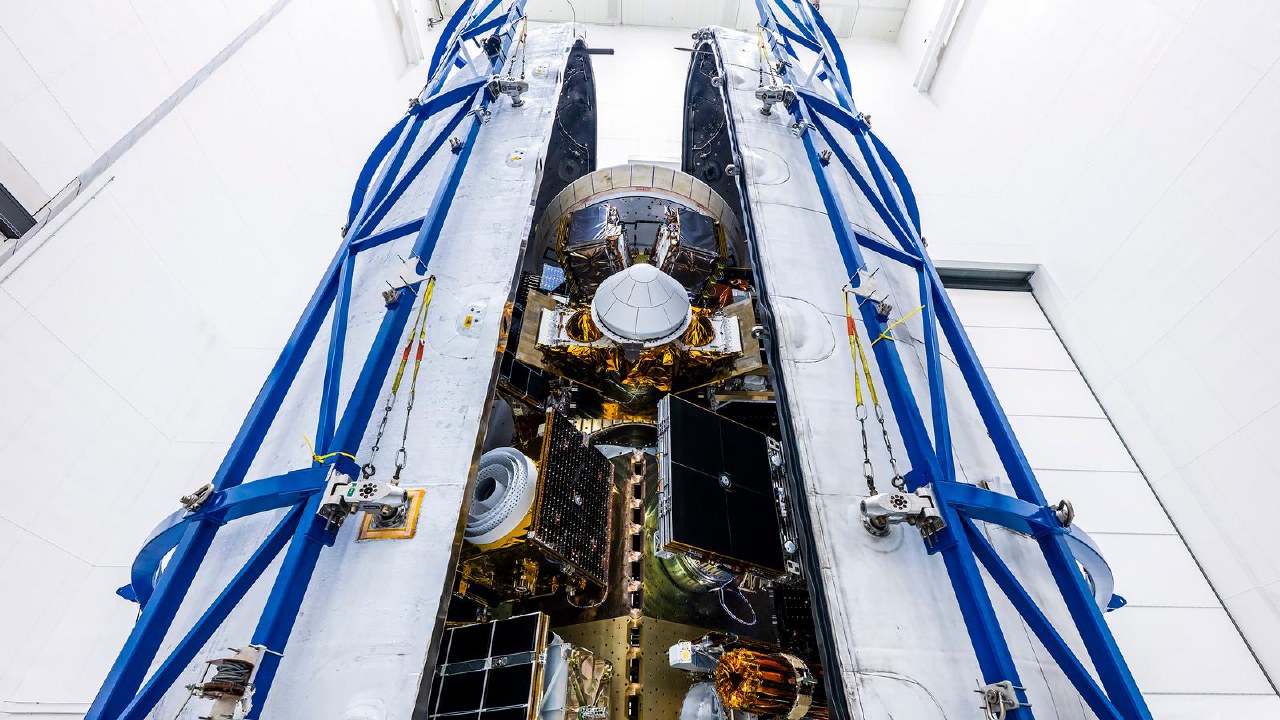
To compete with established carriers like AT&T, Verizon, and T-Mobile, SpaceX plans to deploy a hybrid network. This strategy includes launching up to 15,000 Starlink Mobile satellites, as approved by regulators, alongside the construction of traditional ground infrastructure such as antennas on towers and rooftops.
Analysts from TD Cowen estimate that building a full-scale network will require an investment exceeding $80 billion. These costs include equipment, subscriber support, smartphone subsidies, and marketing, which must be balanced against SpaceX's existing commitments to the Starship program, AI infrastructure, and chip production.
Industry experts remain cautious about the timeline and technical feasibility of the project. Analyst Julie Zhu of MoffettNathanson suggests the project may take over a decade, noting that major US carriers spent $650 billion on network infrastructure in the ten years leading up to 2023. Anshel Sag of Moor Insights & Strategy highlights that technical constraints currently limit the reliability of satellite-based mobile internet.