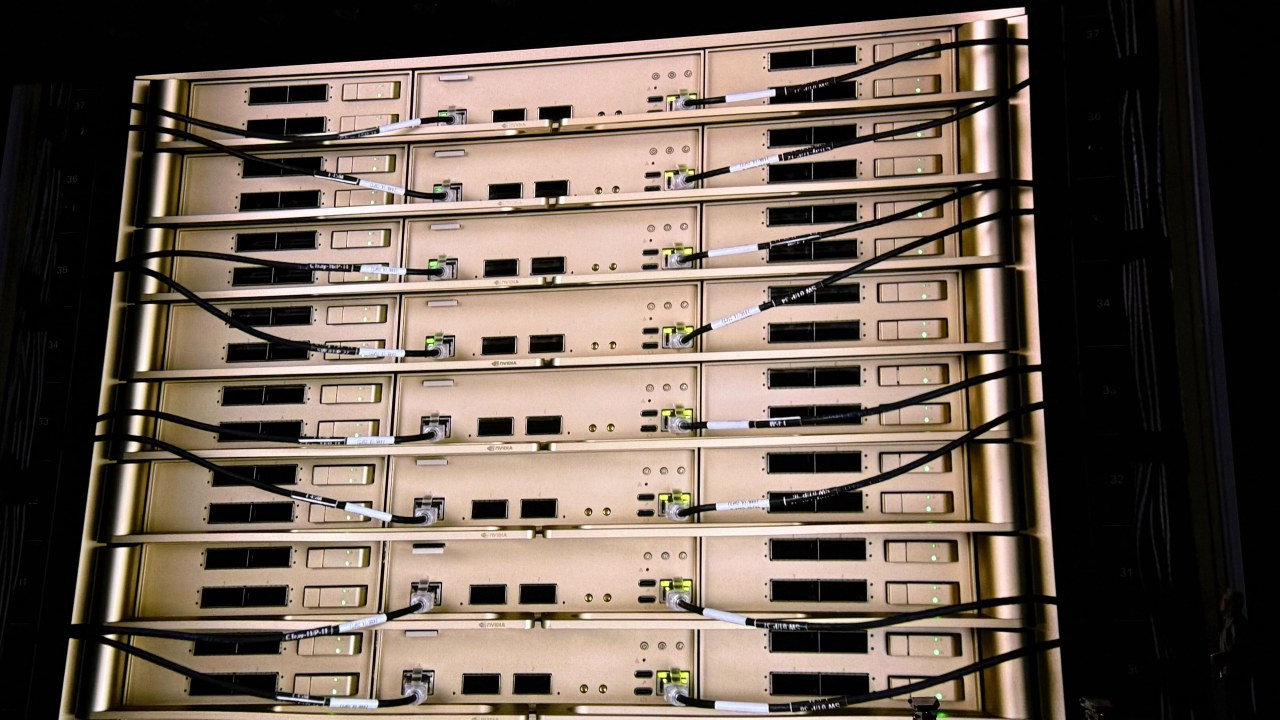
SpaceX is reportedly developing a custom rack-scale system called Kessel, designed for both terrestrial and orbital data centers. The architecture is based on Nvidia's Vera Rubin NVL72 platform, featuring 72 GPU packages arranged across 18 compute trays and nine NVLink switch trays.
The Kessel system replaces traditional NVLink cable assemblies with a passive 84-layer printed circuit board (PCB) midplane. This design uses ultra-low-loss M10 copper-clad laminates, which is a departure from Nvidia's 156-layer Kyber architecture that utilized M9 laminates.
By moving to a PCB-based interconnect, SpaceX aims to simplify system assembly. However, the 84-layer board presents significant manufacturing challenges, as internal layer defects can render the entire component unusable, potentially impacting production yields and costs.
SpaceX plans to shift its procurement strategy by purchasing individual AI accelerators, CPUs, and networking components directly from Nvidia rather than buying pre-assembled L6 or L10 compute boards. This model allows the company to manage its own supply chain and manufacturing partners.
This approach mirrors the strategy of major hyperscalers who handle their own system design and validation. The economic viability of the Kessel project will depend on whether the savings from eliminating cable assemblies can offset the high costs of the complex midplane.