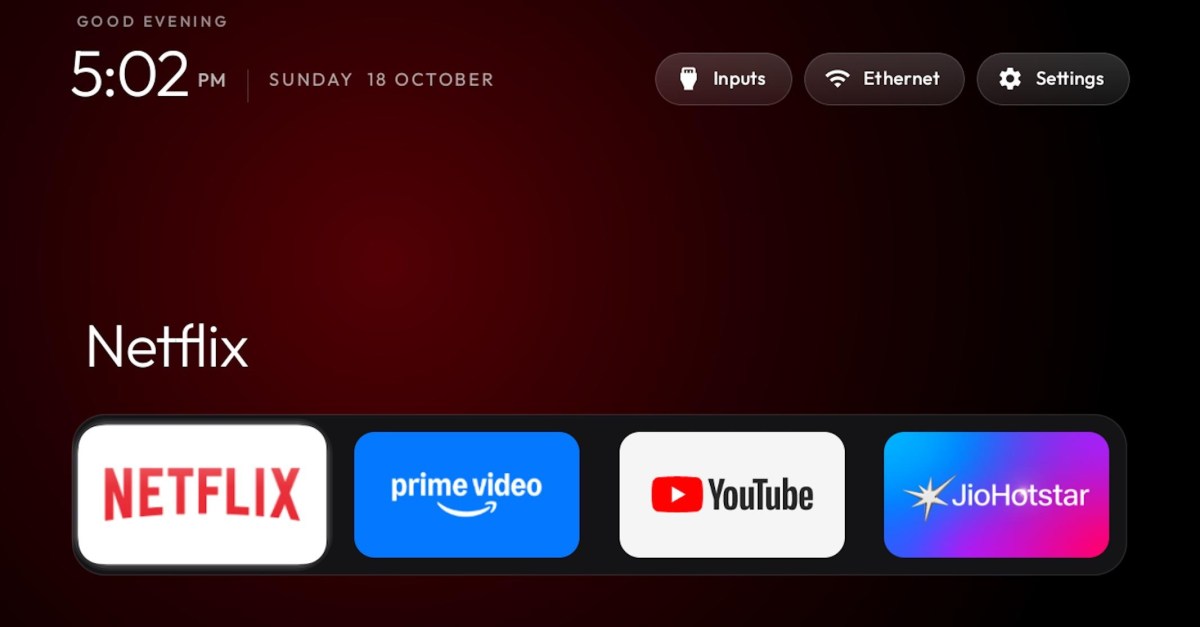
Users are increasingly using LLMs and open-source tools to modify their TV interfaces, a trend dubbed vibe-coding. Popular projects like Cleanyourtv, tv-detox, and dumbtv allow owners to remove sponsored ads, block data collection, and replace default app launchers.
These tools primarily target devices running Android and Google TV, including models from TCL, Hisense, and Sony, as well as some Amazon Fire products. The software utilizes existing developer modes and the Android Debug Bridge to apply changes without requiring root access or firmware hacking.
While AI tools like Claude Code have simplified the creation of custom launchers, the underlying methods rely on standard Android capabilities. Similar modifications are not available for Samsung Tizen, LG webOS, Roku, or Vizio SmartCast without resorting to complex rooting processes.
Manufacturers use automatic content recognition and digital fingerprinting to track viewing habits and deliver targeted ads. While users can opt out of these features in system menus, many find the settings difficult to locate, fueling the demand for third-party debloating solutions.
Modifying TV software carries risks, as evidenced by reports of devices being bricked during attempts to apply hacks. Experts suggest that for those seeking to avoid data collection entirely, the only reliable method is to keep the device offline or use streaming hardware that does not employ ACR.