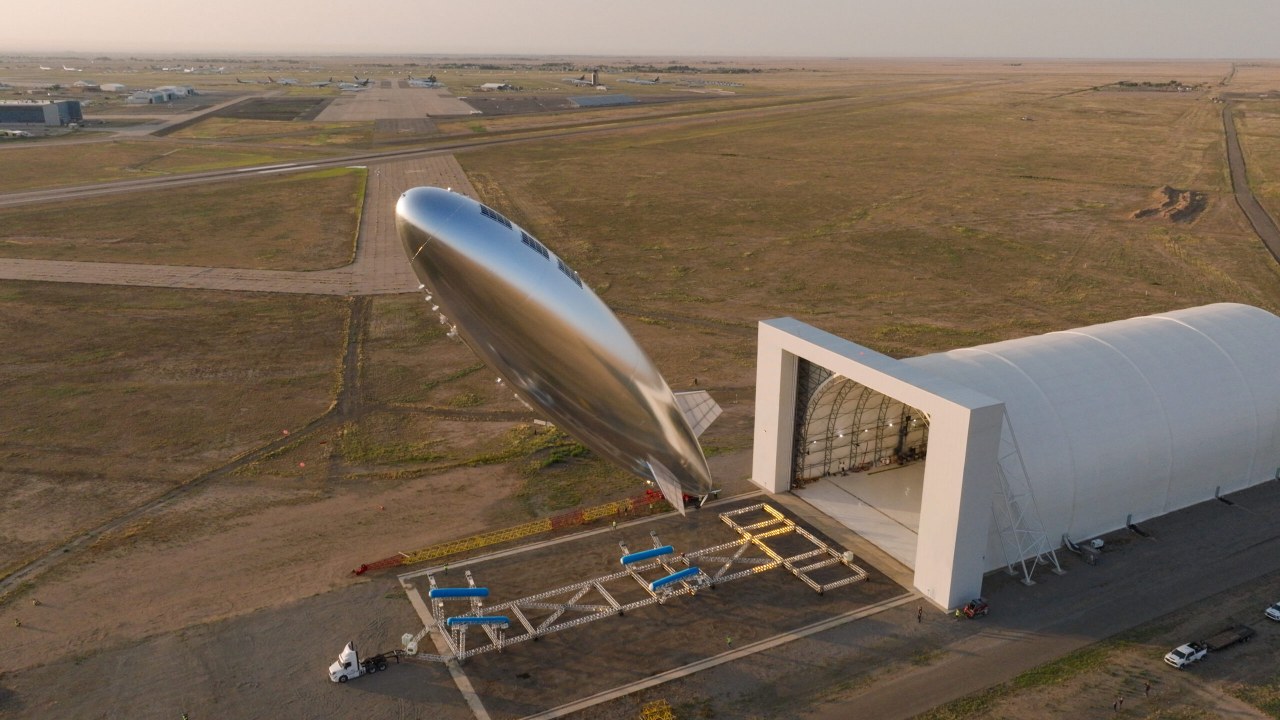
Sceye, a US aerospace company, completed a 30-day round-trip flight from New Mexico to Japan, covering nearly 30 000 kilometers. The mission, known as Service Test 1, utilized an uncrewed, helium-filled platform equipped with solar panels and batteries for continuous stratospheric operation at approximately 16.5 kilometers altitude.
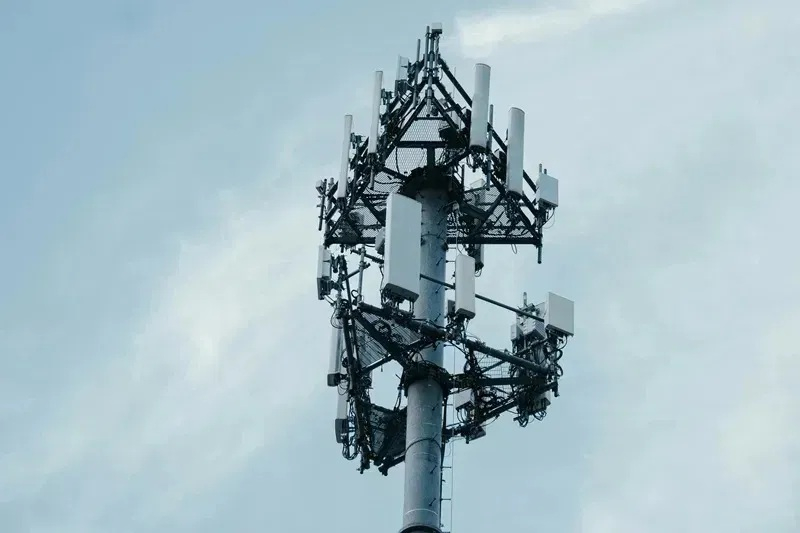
During the deployment over the Japanese island of Shikoku, Sceye partnered with SoftBank Corp to demonstrate mobile broadband capabilities. The platform carried a payload equivalent to a 4G LTE base station, successfully providing voice, text, and data services to smartphones, laptops, and drones in areas where cellular coverage was intentionally disabled.
The platform demonstrated its utility for emergency scenarios, supporting emergency alert systems and maritime communications. Additionally, an edge computing experiment achieved a 68-millisecond roundtrip response time, marking a 40 percent reduction in latency compared to standard cloud processing. The companies also tested optical wireless communications using lasers.
Sceye’s current platform supports payloads exceeding 100 kilograms and provides up to 1 kilowatt of onboard power. Future iterations of the High Altitude Platform System (HAPS) aim to lift up to 250 kilograms. The company plans to transition from week-long missions to operations lasting between three months and a year starting in 2027.