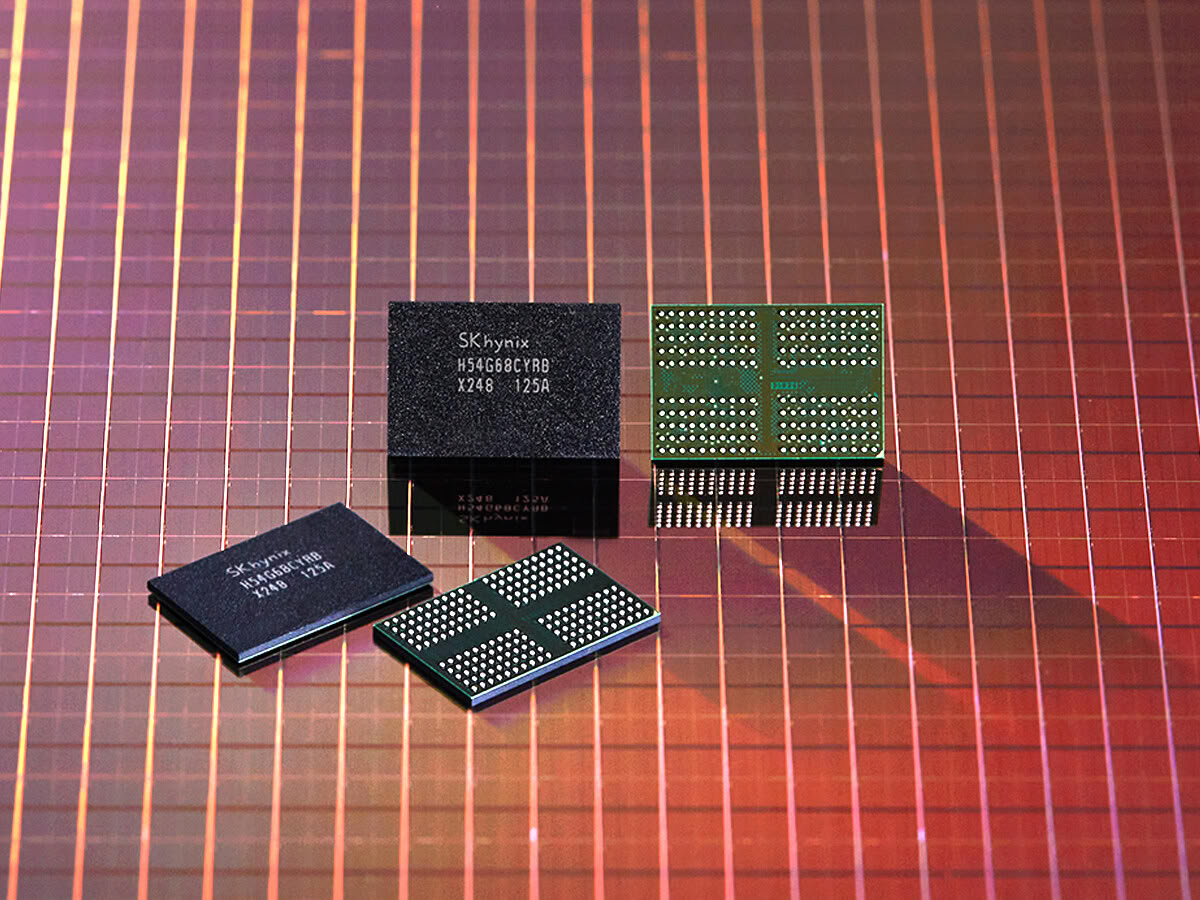
Samsung Electronics and SK Hynix have seen their memory semiconductor inventory levels drop to less than 10 days of supply. KB Securities warns that this shortage will likely worsen next year as AI infrastructure investment expands rapidly.
The transition to HBM4 high-bandwidth memory is a primary driver of the current shortage. Producing HBM4 requires approximately three times more wafers than traditional DRAM, which reduces the overall available capacity for standard memory chips.
KB Securities expects DRAM and NAND demand to exceed supply by more than 10 percentage points next year. AI servers are also increasing the consumption of server DDR5 memory and enterprise SSDs, potentially leading to a historic shortage.
Global hyperscale data center operators have raised their investment forecasts for AI infrastructure to $1.3 trillion for next year, with a 60% increase over the previous year. Memory semiconductors are expected to represent 57% of this total investment, while TrendForce estimates this share could reach 68%.
Despite the current supply shortage, shares of Samsung Electronics and dropped nearly 28% from their peaks, while SK Hynix fell nearly 40%. This decline is attributed to a broader memory stock correction and high leverage in the Korean stock market.
Analysts believe the same two companies are severely undervalued relative to their fundamentals. They expect earnings to hit record highs for the third consecutive year, suggesting a current valuation upgrade for the semiconductor industry.