

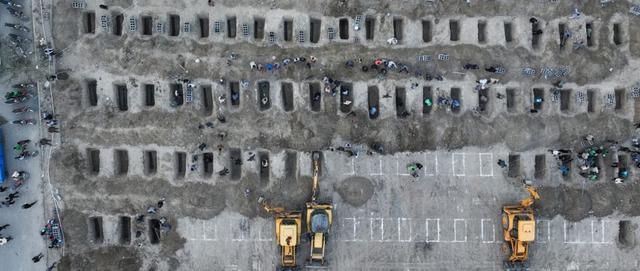
In February 2026, a US airstrike in Minab, Iran, resulted in the deaths of over 150 people, including at least 123 children. A Pentagon internal review identified the Palantir-developed Maven Smart System as a key factor in the incident, citing an over-reliance on AI-driven target identification.
The investigation revealed three critical failures: excessive trust in AI outputs, the use of outdated intelligence data, and a 90% reduction in personnel responsible for verifying targets. Specifically, the Central Command team tasked with oversight was downsized from 10 members to just one individual.
Critical intelligence regarding the site, which had been identified as a school by satellite imagery as early as 2017, remained trapped in an isolated database. This information was never shared with the personnel responsible for planning the airstrike, leaving the facility incorrectly labeled as a military target.
Following the tragedy, the UN independent investigation commission concluded that the US actions constituted indiscriminate attacks, potentially amounting to war crimes. In March, over 120 Democratic members of the US House of Representatives formally requested details from the Secretary of Defense regarding the role of AI tools in this failure.
Palantir stated that the company is not responsible for base data or identifying intelligence flaws. Since the event, the firm has introduced new system features designed to flag potential contradictions in intelligence data, aiming to assist human reviewers in identifying anomalies that might have been previously overlooked.


