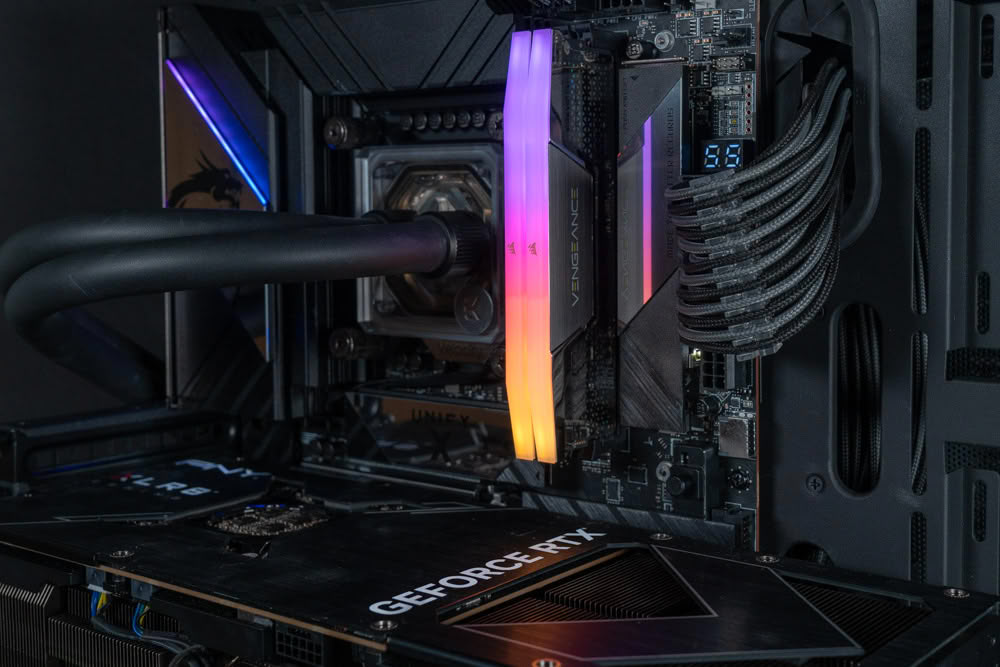
OpenRGB 1.0 has been officially released after nearly three years of development, marking the project's first major version update since the 0.9 release in 2023. The software is distributed under the GNU GPL v2 license and aims to replace proprietary RGB control applications from various hardware manufacturers with a unified, open-source, cross-platform interface.
The update introduces a redesigned JSON-based configuration system that supports complex automation, such as triggering lighting effects based on system events like startup, sleep, or shutdown. Additionally, the software now functions as a background service, reducing the need for the full graphical interface to remain open and allowing for persistent lighting control.
Technical improvements include a migration to the Qt 6 framework and the implementation of SDK protocol 6, which uses unique 32-bit IDs for device identification. The new version also adds HID hot-plug support, enabling the software to detect devices connected or removed during runtime, and provides enhanced plugin API 5 for deeper integration.
Platform support has been expanded to include official Flatpak distribution for Linux, alongside versions for x86-64, ARM64, and 32-bit architectures. The macOS version now supports both Intel and Apple Silicon processors, while the Windows version utilizes PawnIO for low-level hardware access to specific components like memory and older motherboards.
The 1.0 release consolidates extensive hardware compatibility added over the past three years, covering motherboards, GPUs, RAM, peripherals, and monitors. Users can utilize built-in plugins for features like audio visualization and ambient lighting, which synchronizes RGB effects with screen content, similar to television backlighting.