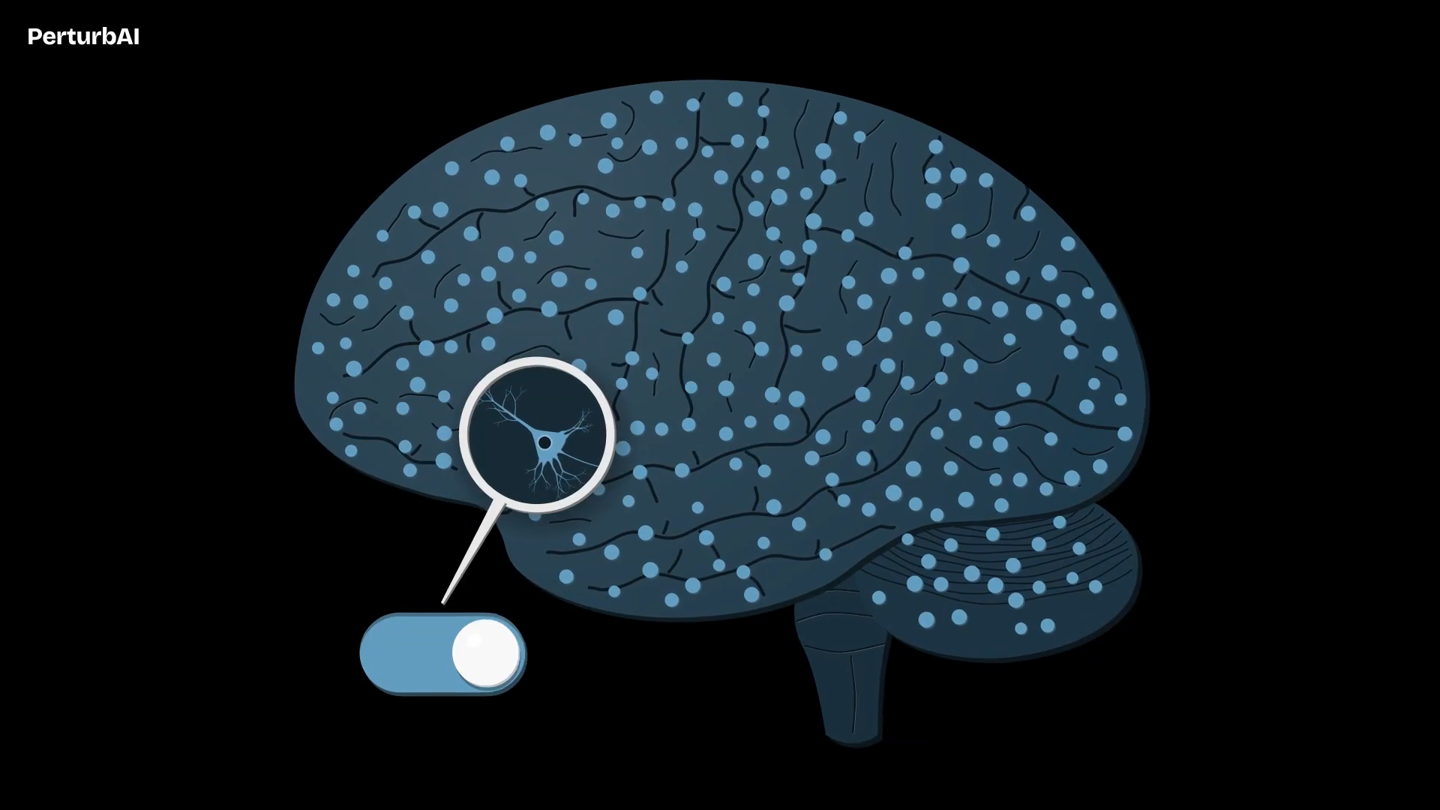
OpenAI, in collaboration with PerturbAI and Scripps Research, utilized thousands of AI agents to analyze biological data from millions of mouse brain cells. The entire analysis was completed in 32 minutes, a task researchers estimate would take humans several months to a year to perform.
The study employed the GPT-Rosalind model, specifically designed for life sciences, to examine a CRISPR map of the mouse brain. The system used a distributed architecture to process gene interventions in parallel, with each agent tasked with analyzing cellular responses and retrieving relevant scientific literature.
The agents synthesized their findings into a 'Reasoning Atlas,' which links genes, cellular changes, and potential biological mechanisms. In blind tests, biological experts preferred reports generated by the distributed AI system in 75% of cases, compared to 16.7% for single-agent reports.
The distributed architecture demonstrated superior literature retrieval capabilities, citing over 700 papers in the largest test, whereas a single agent cited only 11. The research findings were published on the bioRxiv platform on October 16, 2026, and remain subject to peer review.
The team identified potential biological leads, such as differences in gene expression between Tsc1 and Tsc2 interventions, and links between the DCTN1 gene and cholesterol synthesis. The project's code and reasoning maps have been made available to researchers for further investigation.