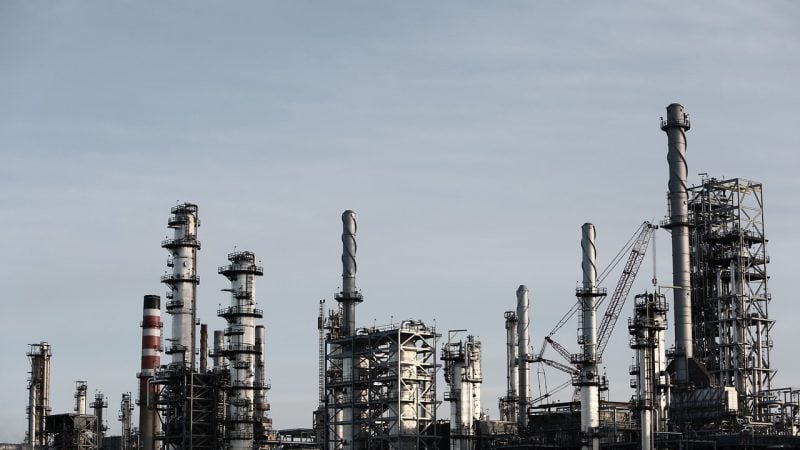
The rally in emerging market currencies and equities slowed down on September 8 as Brent crude oil prices approached the $100 per barrel mark. Oil traded between $97 and $99, reaching six-week highs. This price surge was driven by escalating tensions between the US and Iran, including strikes on Iranian tankers and Saudi energy infrastructure.
The market anxiety is centered on the Strait of Hormuz, through which approximately one-fifth of the world's oil supply passes daily. Analysts project that these supply disruptions could continue well into 2027. In the US, gasoline prices reached record highs above $4 per gallon over the Labor Day weekend, increasing inflation concerns.
Oil-importing nations, specifically Hungary and India, were among the weakest performers in the emerging market currency space on September 8. Higher energy costs in dollars widen current account deficits, putting downward pressure on local currencies and fueling inflation. To stabilize their currencies, the central banks of India and Indonesia have both intervened in the market this year.
Conversely, oil-exporting emerging markets such as Nigeria, Saudi Arabia, and Brazil benefit from higher crude prices through improved fiscal balances. Throughout 2026, Middle Eastern tensions have consistently led to a rotation of investments from general emerging market assets toward commodity exporters and safe-haven assets.