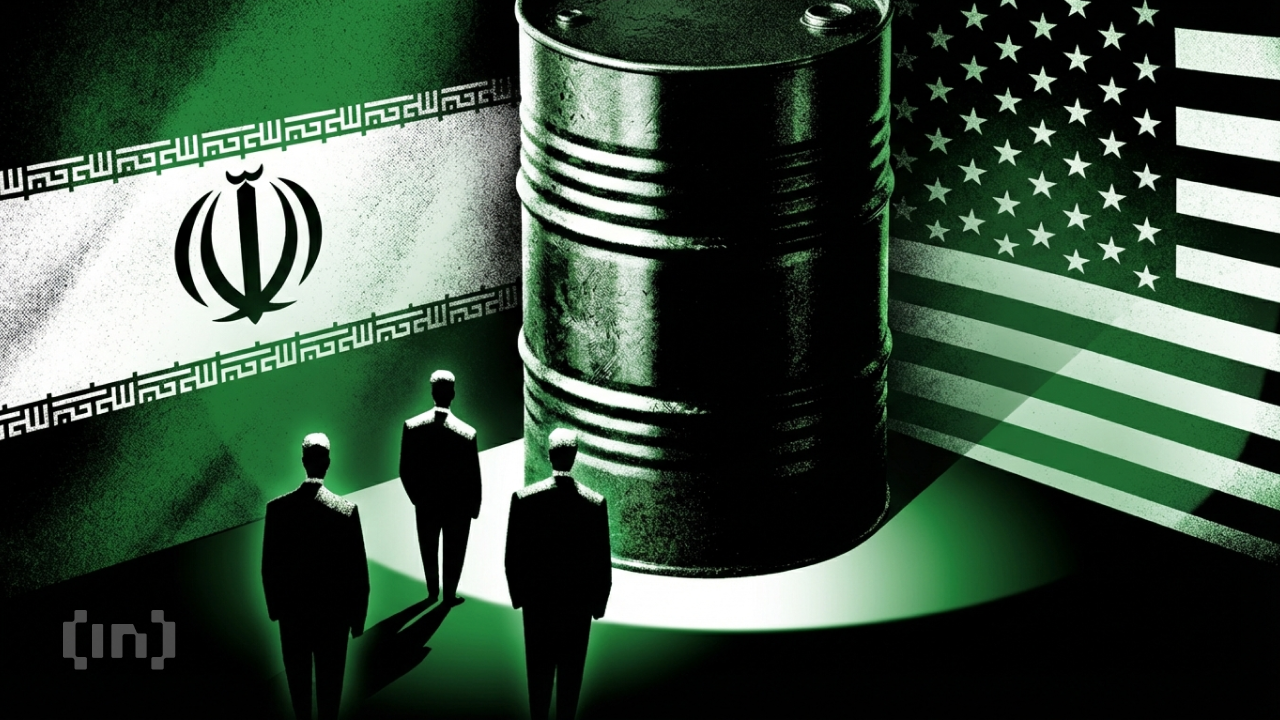
The price of West Texas Intermediate (WTI) dropped to $101.69 on Sunday following President Donald Trump's decision to cancel an immediate strike on Iran. Despite this decline, the current price remains approximately 53% higher than levels recorded before the start of the US-Israeli conflict. Global benchmark Brent crude is currently trading near $116.
Goldman Sachs analysts suggest that $25 of the current Brent price represents a war risk premium. The bank forecasts that Brent crude will reach $90 by December, which would place WTI in the mid-$70 range. ING analysts note that this risk premium will likely erode only if oil flows remain uninhibited, though they currently see no signs of such stabilization.
Geopolitical tensions persist as the Saudi-led coalition reported the destruction of missiles and drones launched by the Houthi group. Data from Kpler indicates at least 18 attacks on vessels occurred over a two-week period ending October 19. Meanwhile, reports suggest that Washington and Israel have prepared strike plans for the period following the November 3 US midterm elections.
Rising crude prices continue to impact inflation, with US consumer prices increasing by 3.7% in the year ending in September. Sustained high inflation may influence interest rates, potentially affecting risk assets such as stocks and cryptocurrencies. Future oil price stability depends on the success of Qatari mediation efforts versus the risk of further attacks on Gulf shipping or Saudi infrastructure.