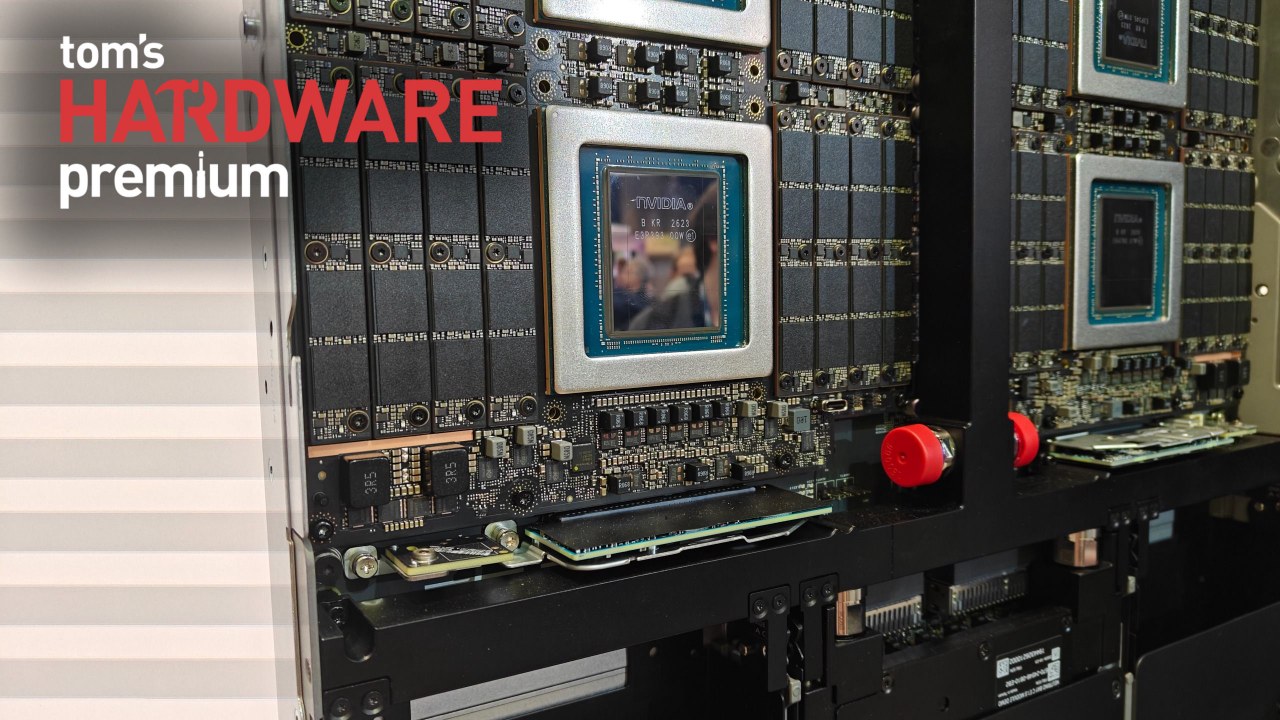
Nvidia CPU lead Finder stated that the company did not specifically design its Vera processor to anticipate the current rise of agentic AI workloads. Instead, the team relied on design intuition and a co-design approach with Nvidia accelerators to determine the CPU requirements.
The Vera architecture features the Olympus core and an expanded memory system based on the Scalable Coherency Fabric introduced in the Grace CPU. Nvidia focused on IPC performance, memory latency, and bandwidth rather than traditional per-core cost metrics.
According to Nvidia, the company aims to capture market share in the AI-focused CPU segment rather than competing directly with legacy architectures from Intel and AMD. Future performance gains are expected to stem from superior memory bandwidth.
Nvidia is monitoring startups like Daytona and E2B, which are working on spinning up agentic sandboxes within milliseconds. The company believes Vera is well-positioned to handle the memory pressure generated by these evolving AI agent systems.
Following the development of Vera, Nvidia has already announced plans for its next-generation Rosa CPU, which will utilize the new Rigel microarchitecture.