The US National Highway Traffic Safety Administration (NHTSA) has proposed a new regulatory framework to standardize visual identification for autonomous vehicles. Under the draft amendments to Federal Motor Vehicle Safety Standard (FMVSS) No. 108, manufacturers may opt to install cyan-colored external indicator lights to signal that a vehicle is operating in autonomous mode.
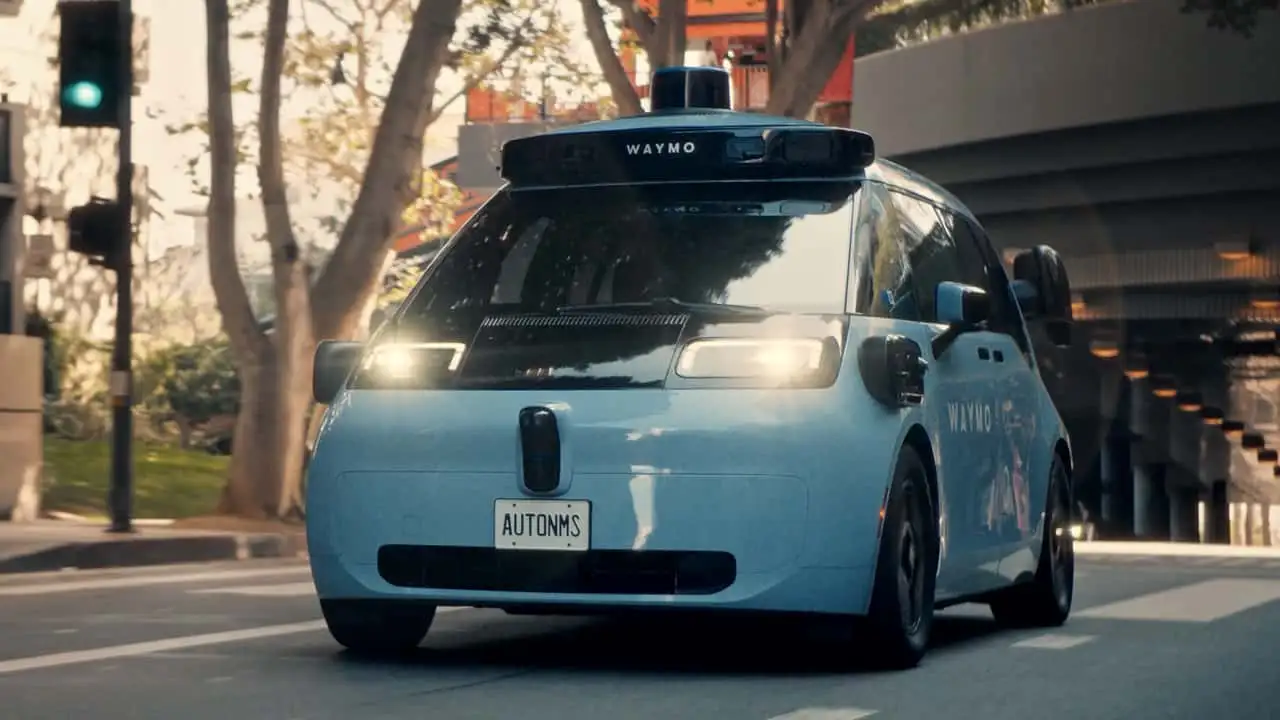
The agency selected cyan to distinguish autonomous status from existing vehicle lighting, such as red, white, yellow, or emergency blue and red flashes. While the use of these lights remains voluntary for manufacturers, the proposal aims to establish uniform requirements for color, brightness, and placement to ensure consistency across the industry, including for companies like Waymo, Nuro, and Zoox.
The proposal also addresses outdated requirements for vehicles lacking traditional controls. NHTSA plans to remove mandates for physical hazard switches, manual high-beam toggles, and steering controls, which are irrelevant for driverless designs. Furthermore, the agency intends to modernize testing standards for LED lighting and relax restrictions on headlight positioning to provide manufacturers with greater design flexibility.
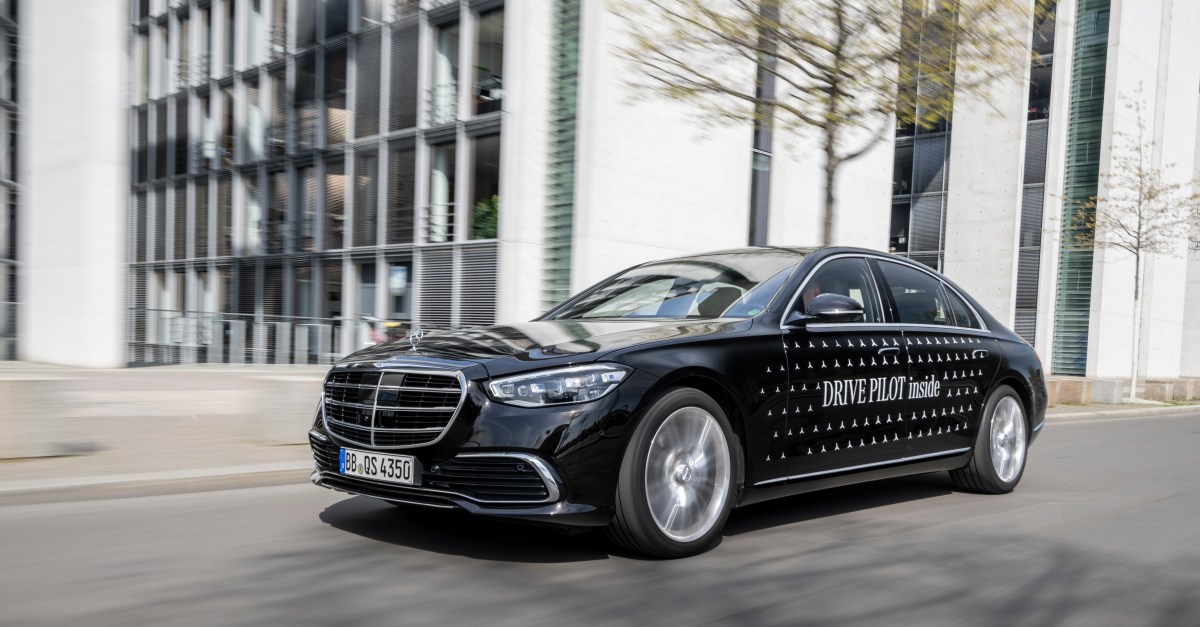
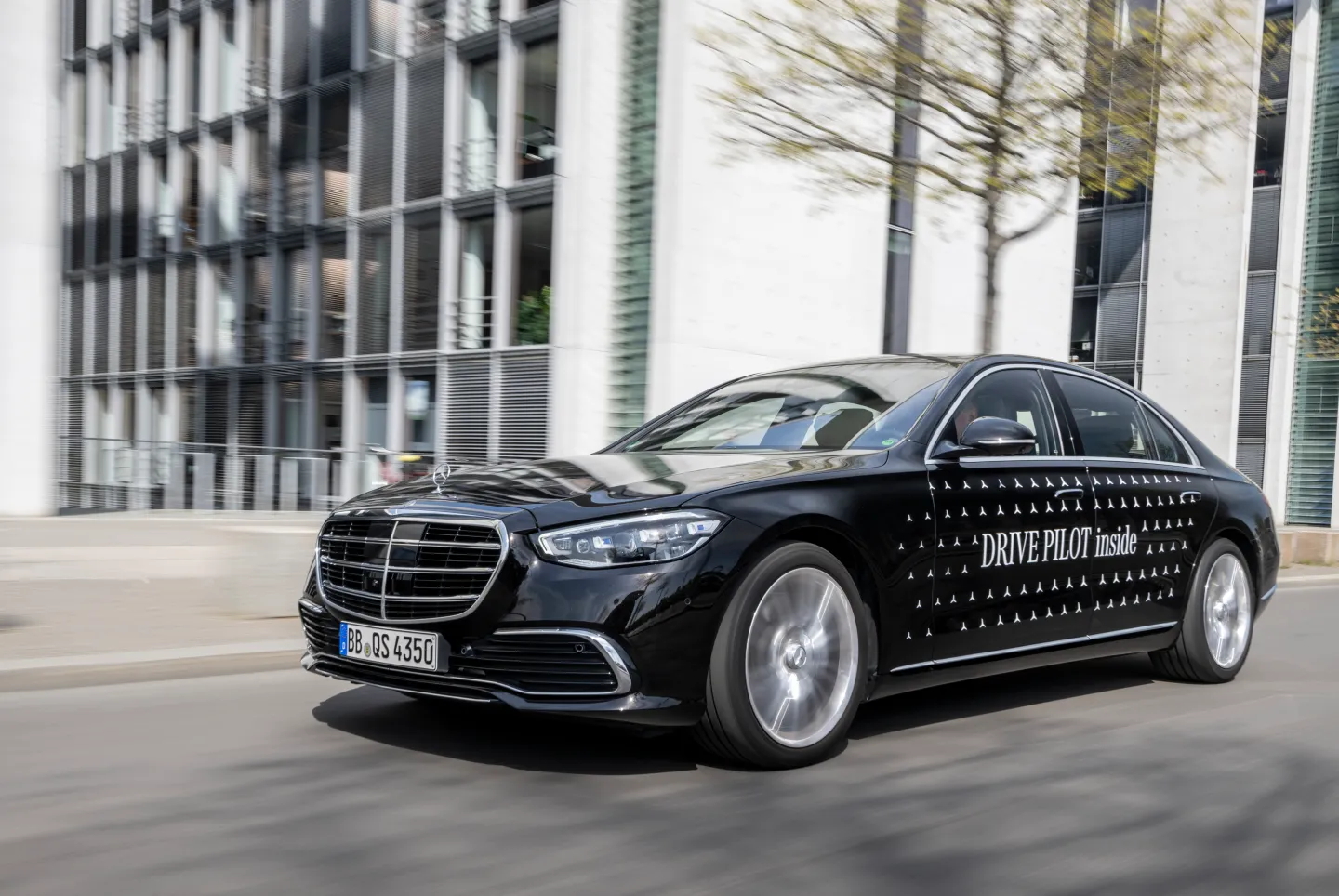
This regulatory shift follows previous industry experiments, such as Mercedes-Benz receiving state-level approval to use turquoise lights for its Level 3 Drive Pilot system. By creating a national standard, regulators hope to eliminate the confusion caused by fragmented, company-specific signaling methods and facilitate the broader commercial deployment of autonomous taxis and steering-wheel-free vehicles.