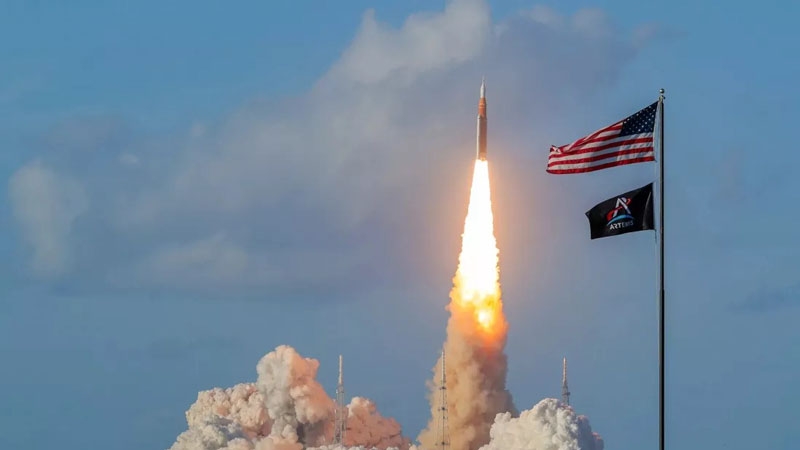
A study by Taiwanese researchers indicates that the launch of NASA's SLS rocket during the Artemis II mission caused significant disturbances in Earth's ionosphere. These events affected the local density of free electrons, which in turn impacts the signal delay of GPS systems that rely on transmissions passing through this atmospheric layer.
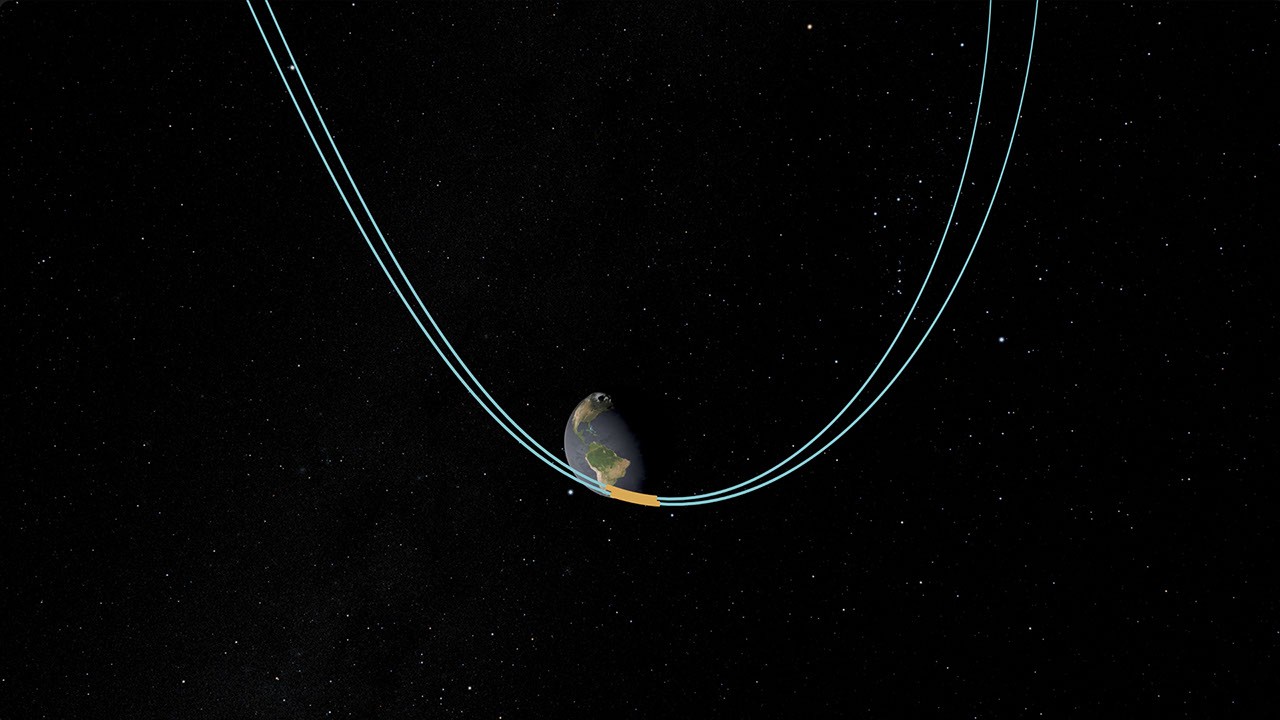
Data from ground-based tectonic plate monitoring stations revealed three distinct disturbance episodes. The first occurred at launch on April 1, 2026. The second took place 1 hour and 48 minutes later during an upper-stage engine burn, while the third occurred 25 hours after launch during a lunar trajectory maneuver.
The second episode was the most extensive, spanning approximately 5,000 kilometers across North America. Researchers attribute these effects to both mechanical shockwaves and chemical reactions between rocket exhaust and the ionized environment, which reduce electron concentration and can cause GPS positioning errors of several meters.
The study notes that the SLS rocket caused disturbances ten times stronger than those observed during Starship test flights. While no specific accidents were reported during the Artemis II mission, researchers warn that such ionospheric interference poses risks to autonomous vehicles and drones that require high-precision GPS data.