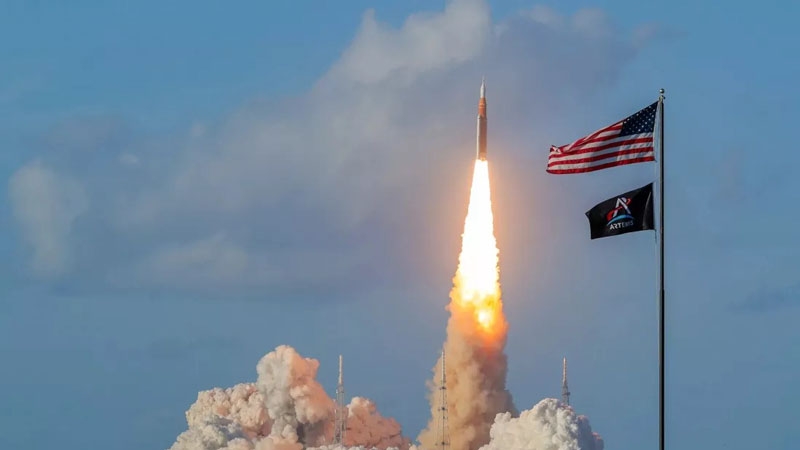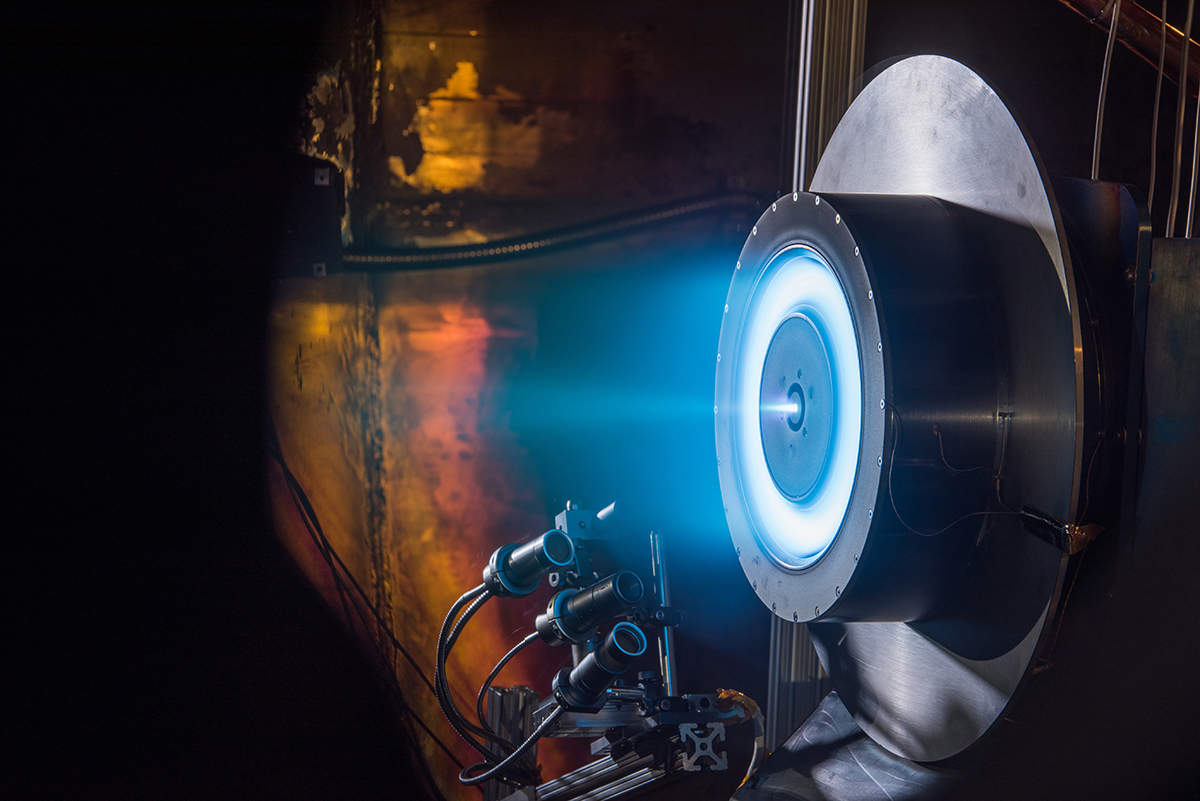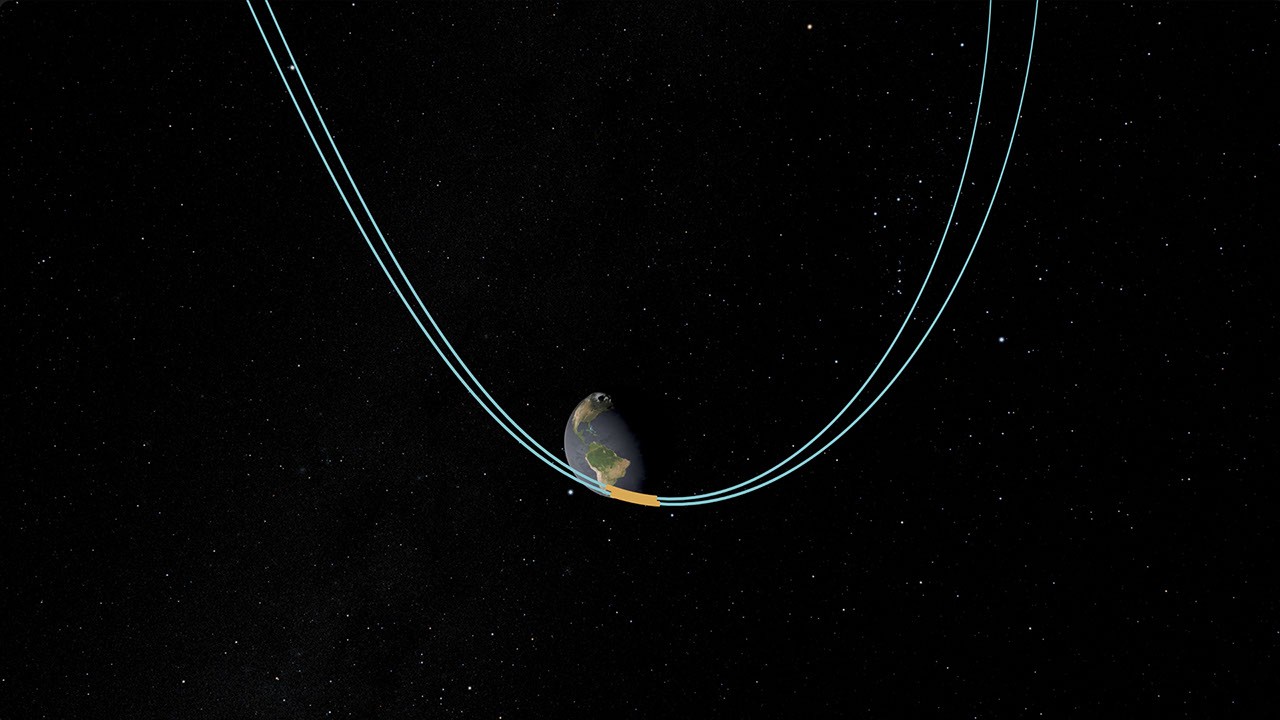
NASA's twin ESCAPADE spacecraft have successfully completed powered Earth flybys to slingshot toward Mars. The mission, part of the SIMPLEx program, uses a new trajectory strategy involving a loiter orbit around Lagrange point 2 to gain flexibility in launch timing.
The first spacecraft performed its 9-minute injection burn on Nov. 7, 2026, at an altitude of 1,000 miles. The second followed on Nov. 9, 2026, at 650 miles. These maneuvers set both probes on a 10-month cruise toward the Red Planet.
Arrival at Mars is scheduled for September 2027, with orbit insertion burns planned for Sept. 7 and Sept. 9. Once in position, the spacecraft will fly in formation to study the interaction between solar wind and the Martian atmosphere.
Science operations are expected to commence in June 2028. The mission will involve coordinated observations from two different orbital locations, a first for Mars exploration. The project is led by the University of California, Berkeley.