

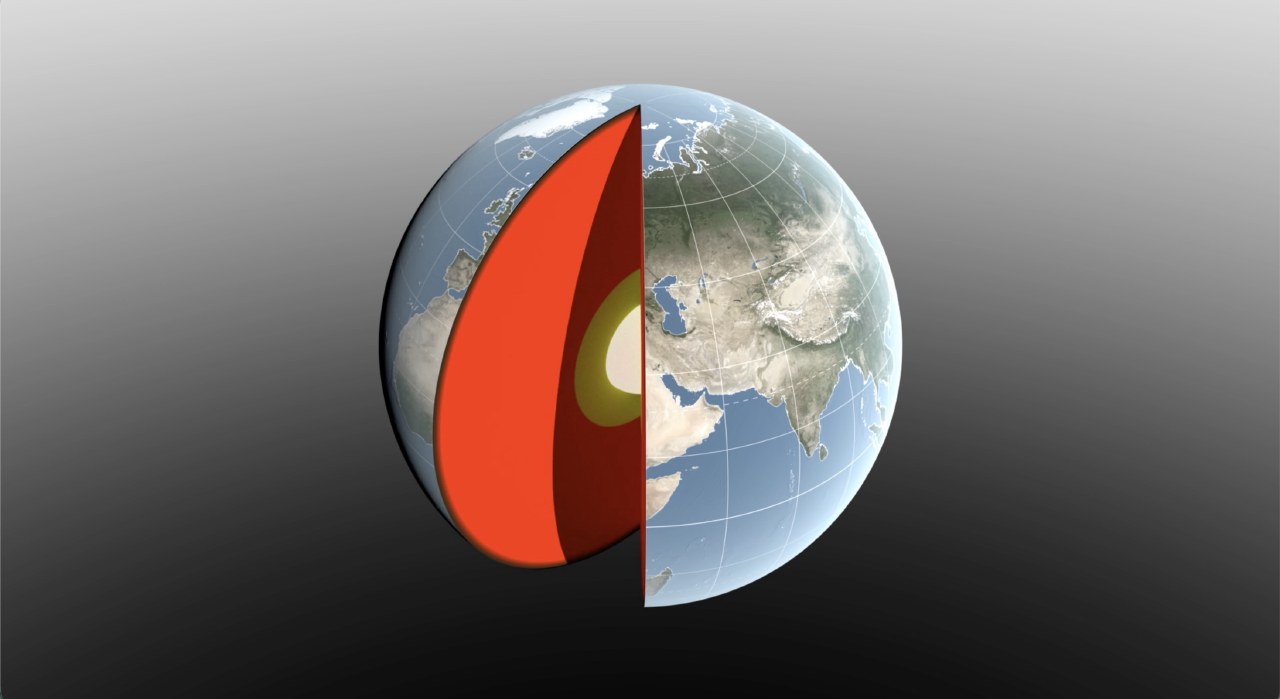
NASA researchers have developed a new satellite tracking technique to measure the seasonal oscillation of Earth's center of mass. This center shifts by several millimeters relative to the geometric center due to the redistribution of water, ice, and air. Previous international estimates from 2017 and 2023 showed a discrepancy of 7 millimeters, prompting the need for higher precision.
The new method, led by the Jet Propulsion Laboratory, integrates GPS tracking with orbital data from low Earth orbit satellites. It also accounts for crustal deformation caused by surface mass loads. The study suggests that the annual movement of Earth's center of mass is approximately half of what was previously estimated eight years ago, indicating smaller mass shifts between hemispheres.
Seasonal shifts are driven by three main factors: oceans, atmosphere, and continental water. For example, snow accumulation in North America and Eurasia peaks in March, shifting the center of mass 3 millimeters toward the North Pole. In April, 2,400 gigatons of rainwater in the Amazon basin move it 2.2 millimeters toward South America, while monsoon water in southeast Asia peaks in November.
The findings align with data from the GRACE-FO mission, a partnership between NASA and the German Research Centre for Geosciences launched in 2018. This mission uses twin satellites to map gravitational fluctuations. NASA plans to continue this data record with the GRACE-Continuity mission, which is currently scheduled for launch in late 2028.



