NASA is preparing to launch the SpaceX CRS-35 commercial resupply mission from Cape Canaveral Space Force Station in Florida. The flight will deliver four scientific investigations focused on human and plant health to the International Space Station.
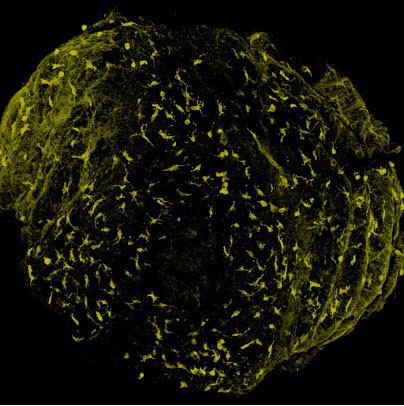
One experiment involves sending 3D models of the human brain to the station for five weeks. Researchers will compare these samples with Earth-based models to study the effects of spaceflight on brain cells at a molecular level, which may help mitigate health risks for future long-duration missions.
The mission also includes a study on crop diseases in microgravity. Scientists will analyze how a fungus affects plants in space compared to those on Earth, aiming to improve plant breeding techniques and support future space agriculture systems that provide nutrition and oxygen.
A compact microplate reader will be tested to detect biomarkers like antibodies and proteins directly on the station. This initiative aims to provide rapid health data for astronauts without needing to return samples to Earth, which is critical for remote exploration.
Finally, the mission marks the fourth and final study of antibiotic-resistant bacteria on the station. Astronauts will sample surfaces to monitor how superbugs evolve in space, potentially helping to develop new protection methods against infections for both space crews and people on Earth.