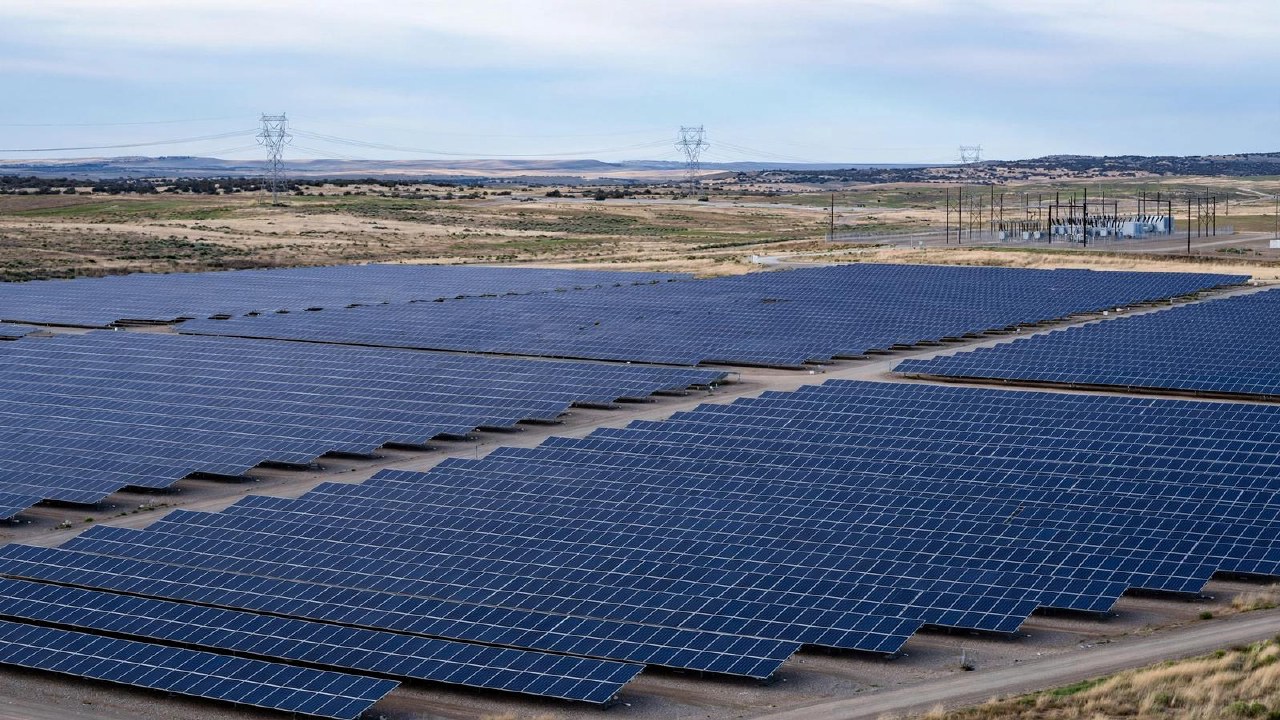
Researchers at the MIT Center for Energy and Environmental Policy analyzed how renewable energy integration impacts electricity bills across the United States. The study indicates that large-scale solar power plants connected to the main grid generally lead to a slight reduction in electricity costs. This effect becomes more pronounced as the share of utility-scale solar generation increases within a state.
The primary driver for lower costs is the elimination of fuel expenses, as solar facilities do not require coal, gas, or other energy carriers. While these plants still incur operational costs related to maintenance, repairs, and panel cleaning, the overall reduction in expenditure for energy companies can influence consumer tariffs.
Conversely, the study found that residential solar installations correlate with slightly higher electricity costs in states with high adoption rates. This discrepancy stems from the structure of the energy system, where households with solar panels purchase less electricity and may receive compensation for surplus energy fed back into the grid.
These compensation payments and the necessary upgrades to distribution networks—required to handle bidirectional power flow—often lead to costs being redistributed among other consumers. In contrast, integrating large-scale solar plants is more straightforward, as their connection to the grid mirrors that of traditional power stations.
The researchers conclude that the impact of solar energy on consumer bills depends significantly on the scale of the installations and their method of grid integration. These findings highlight regional differences across the US and do not imply that every new large-scale solar project will automatically result in lower electricity rates.