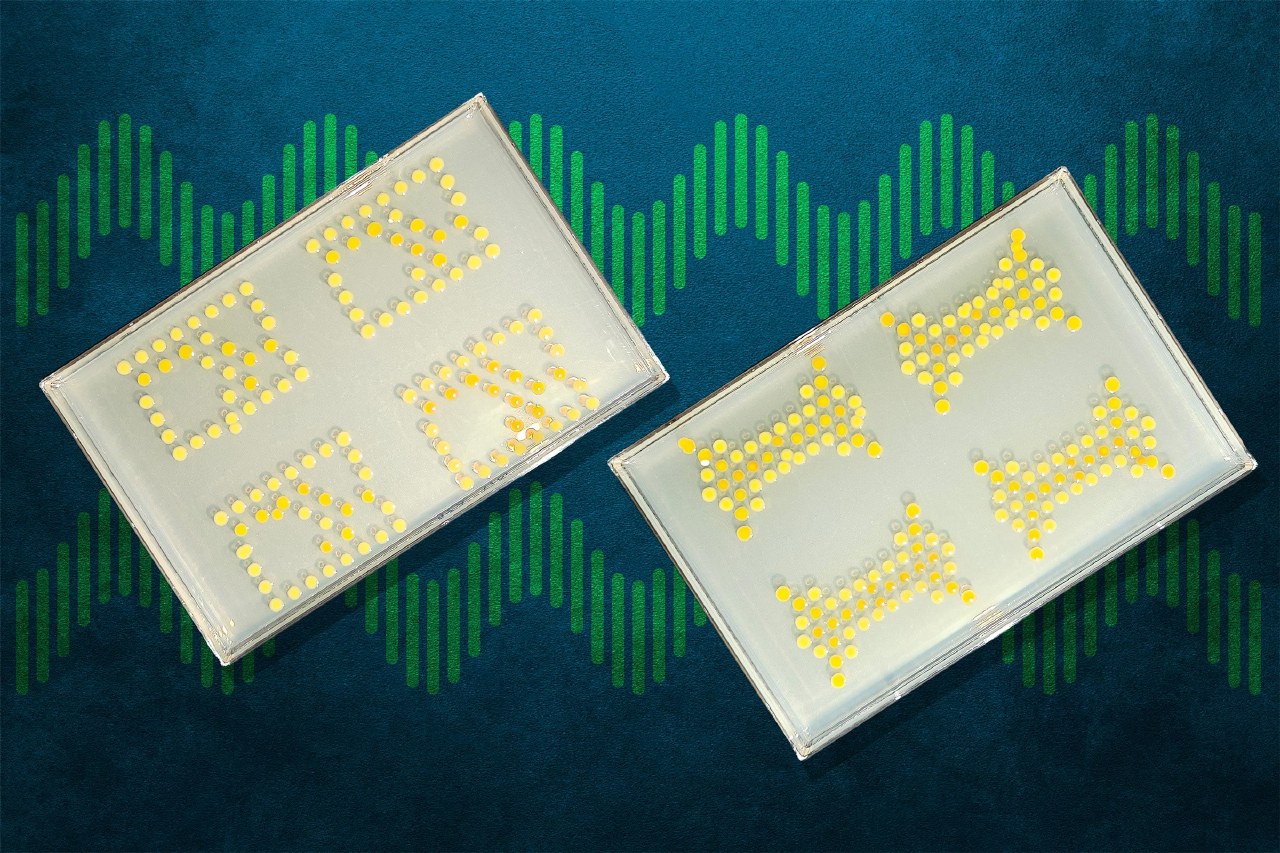
MIT researchers have developed a living circuit board made of bacteria, combining synthetic biology and electronic engineering. The system uses genetically engineered E. coli to respond to external electrical signals and perform logic operations.
The bacteria are fixed on a biocompatible substrate, creating a structure similar to a traditional circuit board where cells act as wires and switches. When specific voltages or chemical signals are applied, genetic circuits within the bacteria are activated, producing fluorescent proteins or other detectable output signals to transmit and process information.
Unlike silicon-based components, these biological circuits possess the ability to self-replicate, self-repair, and adapt to the environment. The system operates at room temperature and pressure with extremely low energy consumption, making it potentially suitable for implantable medical devices, environmental monitoring sensors, and distributed biological computing networks.
The living circuit board has successfully implemented basic logic gates such as AND, OR, and NOT, and can perform simple arithmetic operations. The team also demonstrated signal cascading between multiple bacterial modules, proving the potential for building more complex biological computing systems.
The project lead stated that future work will focus on increasing circuit stability, extending bacterial survival time, and exploring integration with other biological materials such as neurons or tissue engineering scaffolds. The research was published in the latest issue of Nature Biotechnology.