

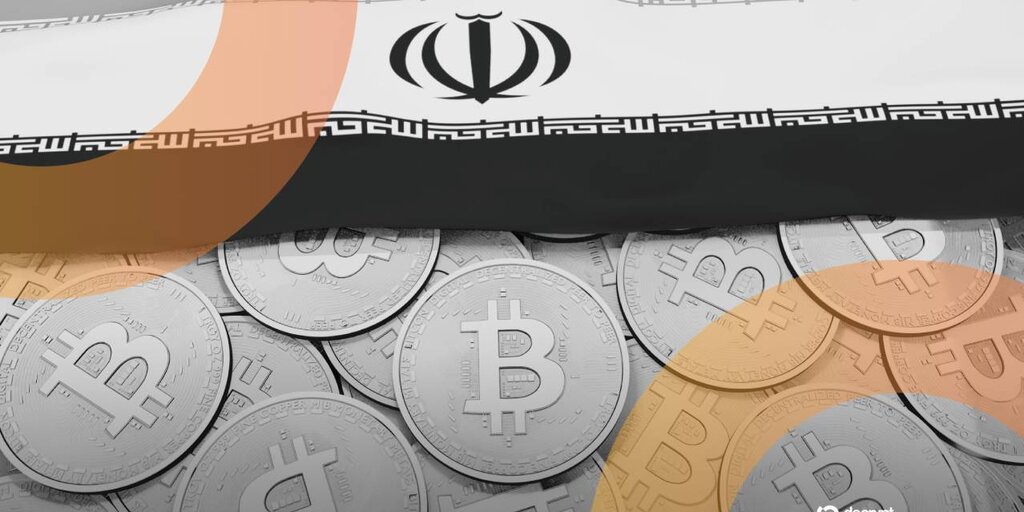
Annual blockchain transaction volume in the Middle East and North Africa reached $350 billion in the 2025–2026 period. This figure represents a more than threefold increase compared to the approximately $100 billion recorded in 2022.
The Bitcoin Policy Institute reports that regional conflicts, specifically involving Iran, have driven capital into digital assets. Investors utilized cryptocurrencies as a hedge against geopolitical instability, inflation, and rising oil prices while traditional financial markets faced disruptions.
Following an initial decline in June 2025, Bitcoin market share rose to a one-month high of 64.8 percent as investors shifted from riskier assets. Chainalysis data indicates that approximately $10.3 million left Iranian crypto exchanges between February 28 and March 2 following airstrikes.
Countries including Egypt, Turkey, Lebanon, and Iran saw increased usage of Bitcoin and stablecoins to combat currency depreciation. Meanwhile, regulated markets in the UAE and Bahrain continue to attract institutional capital through the development of formal regulatory frameworks.
In May, the parent company of Kraken, Payward, secured preliminary authorization from the Dubai Virtual Assets Regulatory Authority. This approval covers broker-dealer and investment management operations within the region.



