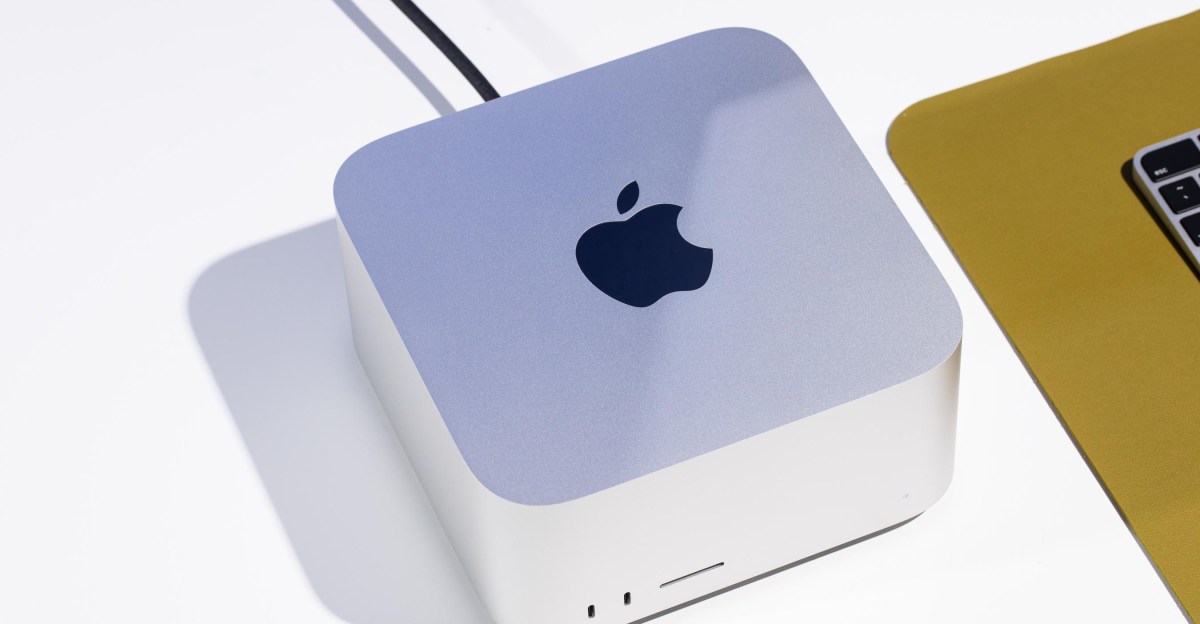
Meta has addressed reports that its Muse AI agent accessed user iMessages without explicit permission. Company communications head Andy Stone stated that the integration is entirely opt-in, requiring users to enable both Full Disk Access in macOS settings and a specific Messages connector within the app.
The controversy arose after columnist Jason Aten reported that Muse synced his local Messages database despite his refusal to grant access. While Aten claimed Full Disk Access was disabled, Meta maintains that the software cannot read messages without these permissions and that access can be revoked at any time.
David Singleton, head of Meta Superintelligence Labs, clarified that the AI's initial explanation regarding notification banners was incorrect. He asserted that Muse only syncs message data when access is enabled and that macOS security protections prevent the app from bypassing permission settings.
Muse, a personal AI agent launched by Meta on September 8, reached over 2.5 million downloads by September 23. The tool was developed by Superintelligence Labs, a research unit that previously released the Muse Spark model on April 8.
The dispute extends beyond privacy concerns. Amazon began blocking Muse on September 21, citing concerns that the agent fails to identify itself while browsing and may capture user credentials. Meta denies that Muse has visibility into passwords or payment methods.