

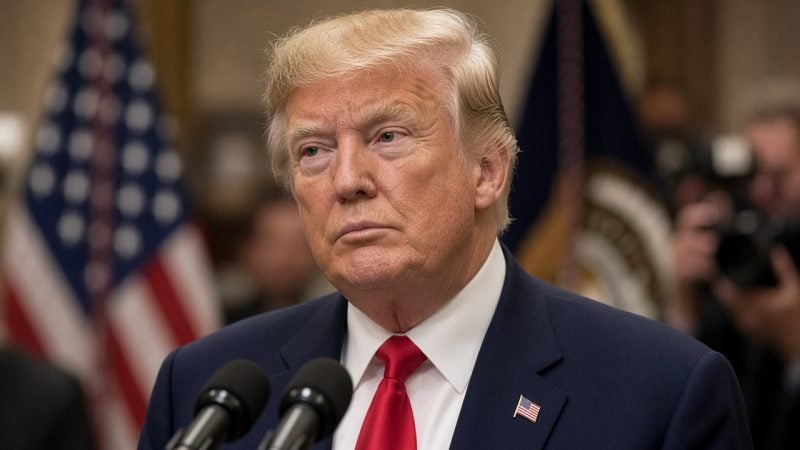
On October 1, 2026, Representatives Jay Obernolte and Lori Trahan expressed support for the White House Accord on Super Intelligence, describing it as a step toward responsible development. Despite this, the lawmakers confirmed their intention to continue advancing the FRONTIER Act, a bipartisan legislative framework.
President Trump introduced the voluntary agreement on September 29, 2026, alongside leaders from companies including Anthropic, OpenAI, Google, Meta, xAI, and Nvidia. The pact establishes four layers of oversight, focusing on cybersecurity and biosecurity risks, though it lacks formal enforcement mechanisms like fines.
The proposed FRONTIER Act differs from the voluntary accord by establishing a statutory framework. It would mandate independent evaluations for high-risk AI models and grant authorities the power to remove products from the market if they pose an imminent threat.
While the White House agreement relies on board-level oversight and external evaluators, critics label it as non-binding. The potential transition from voluntary standards to mandatory legislation could increase operational costs for firms, including expenses related to compliance and independent audits.


