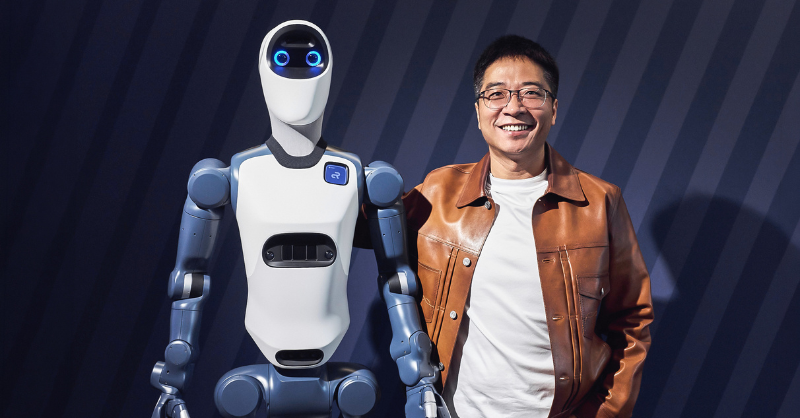
JPMorgan analysts forecast that annual production of humanoid robots in the US could reach 300,000–400,000 units by 2030, rising to 1.5 million by 2035. Industrial sectors, including manufacturing and logistics, are expected to be the primary adopters to address labor shortages.
The bank estimates that multi-shift operation of these robots could save companies approximately $100,000 annually. However, scaling production faces technical hurdles, including the development of robotic hands, actuators, and AI capabilities. Most US manufacturers currently target annual outputs of 10,000–30,000 units.
The market for key components such as motors and computer vision systems is projected to reach $30 billion by 2035. Companies like Timken, Robotis, Leader Drive, Orbbec, and Cognex are identified as significant players in this supply chain.
Global sales of full-sized humanoid robots reached 7,000 units in 2025. Meanwhile, Tesla has announced plans to retool its Fremont factory to produce Optimus robots, with a target capacity of 1 million units per year. Trade policies may further influence the domestic manufacturing landscape.