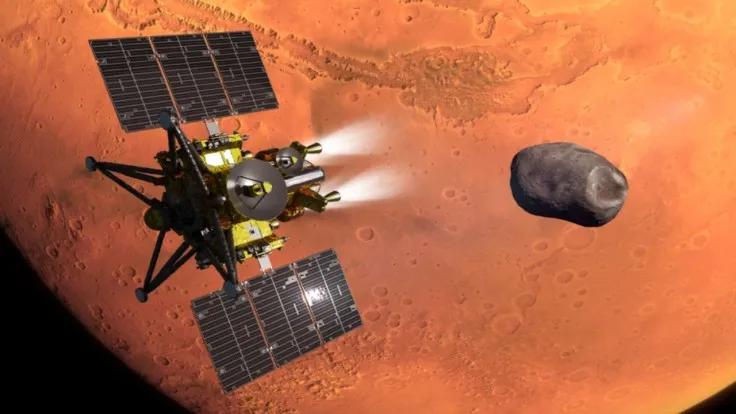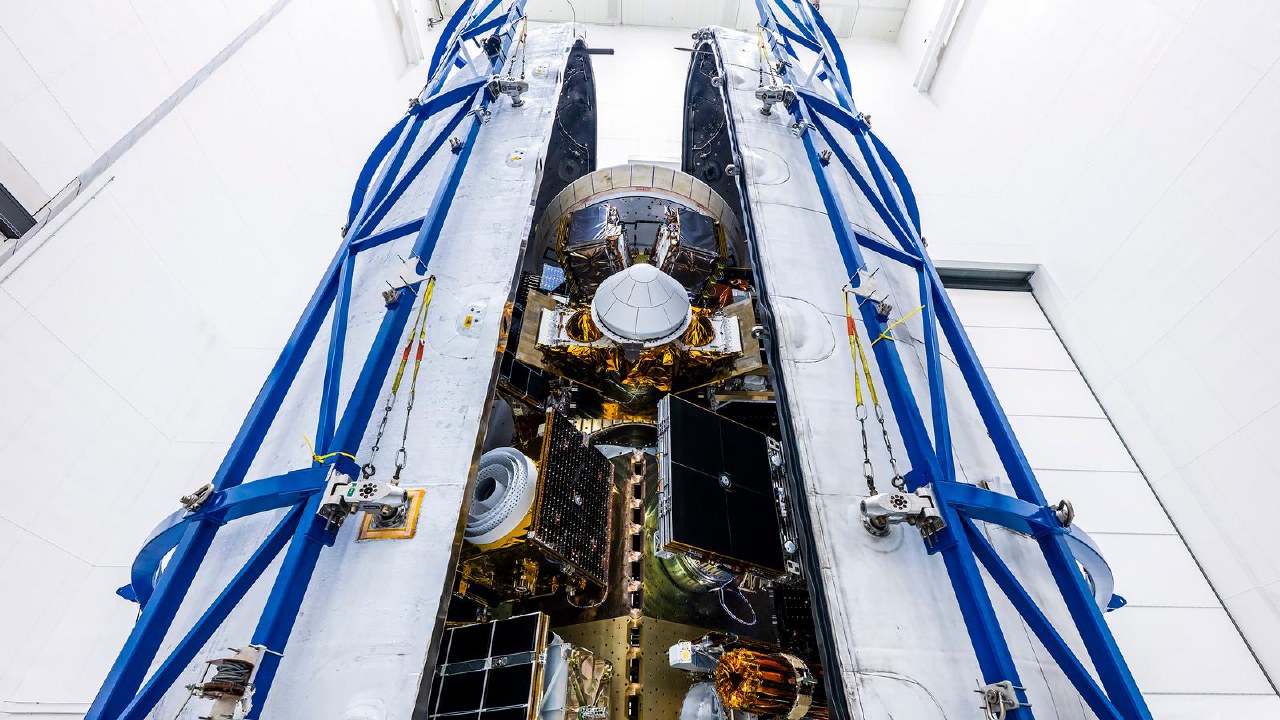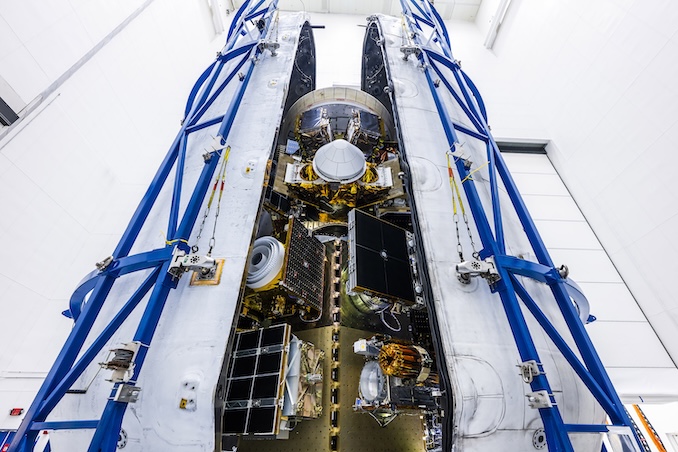
The Japan Aerospace Exploration Agency (JAXA) is preparing to launch the Martian Moons eXploration (MMX) mission on October 19 at 22:41 Moscow time from the Tanegashima Space Center. The spacecraft will be launched aboard an H3 rocket, with a backup launch window available until November 7.
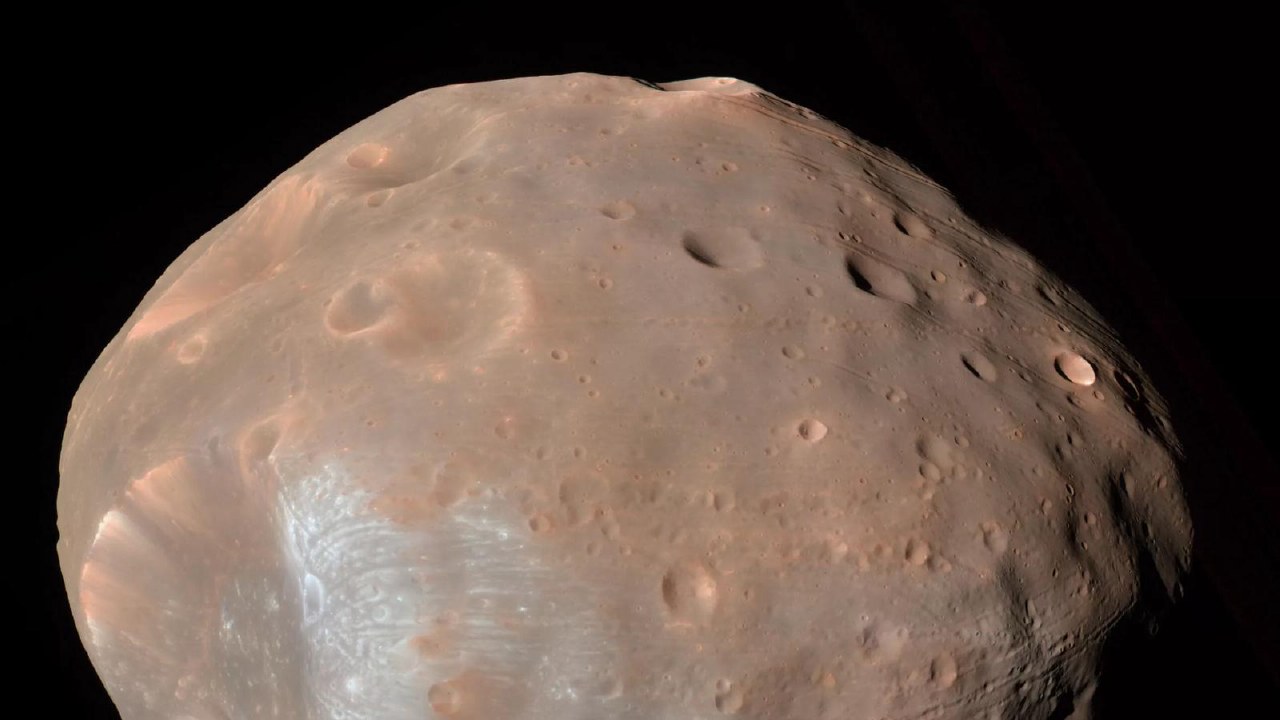
The mission aims to determine the origin of Phobos and Deimos. The spacecraft carries two sampling devices, including the P-sampler, which utilizes PlanetVac technology developed by Honeybee Robotics. The Planetary Society provided funding for the project's initial prototype and subsequent flight tests.
Upon reaching Mars, MMX will spend one year in orbit to map Phobos and analyze its surface chemistry. A rover named IDEFIX, developed by French and German space agencies, will then be deployed to the surface. Following this reconnaissance, MMX will land on Phobos to collect samples using both onboard samplers.
The mission plan includes a potential second landing on Phobos and a flyby of Deimos during the return journey. The spacecraft is scheduled to depart Mars in 2030, with a sample return capsule expected to parachute into Australia in 2031.