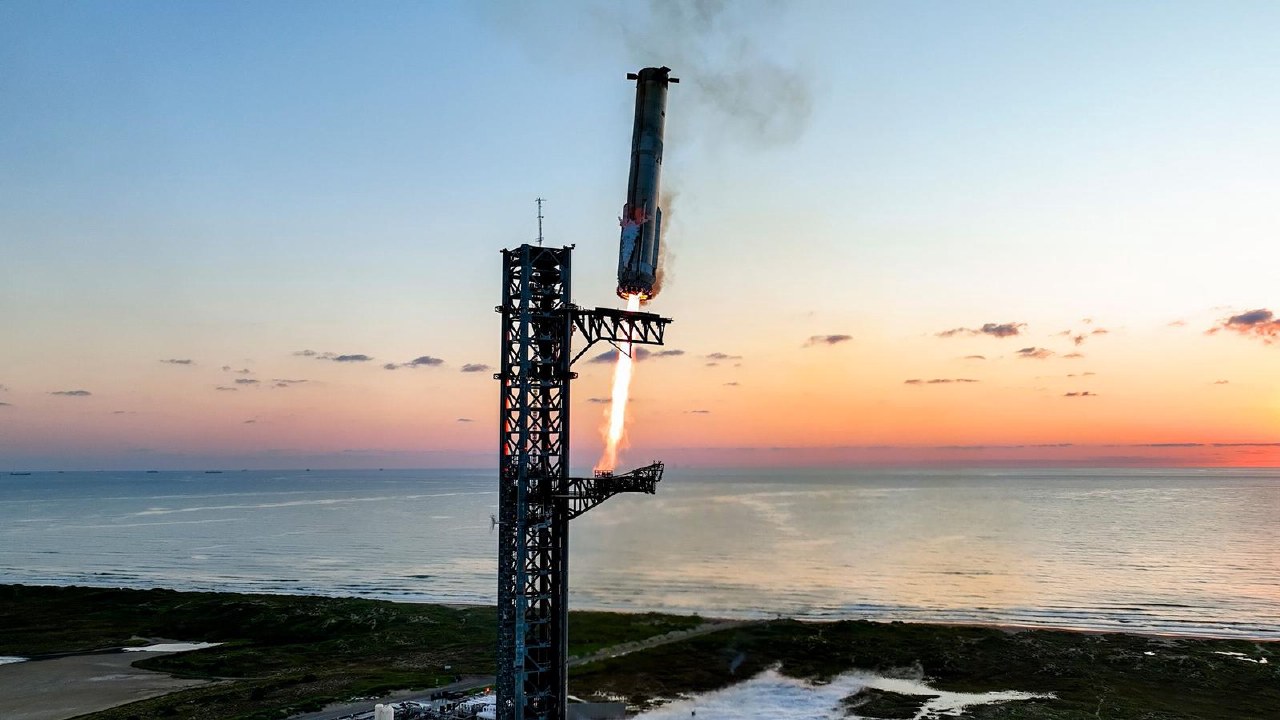
The Martian Moons eXploration (MMX) mission by JAXA launched on October 20, 2026, at 04:41 local time from the Tanegashima Space Center. The spacecraft was carried by the H3 launch vehicle, marking its tenth flight.
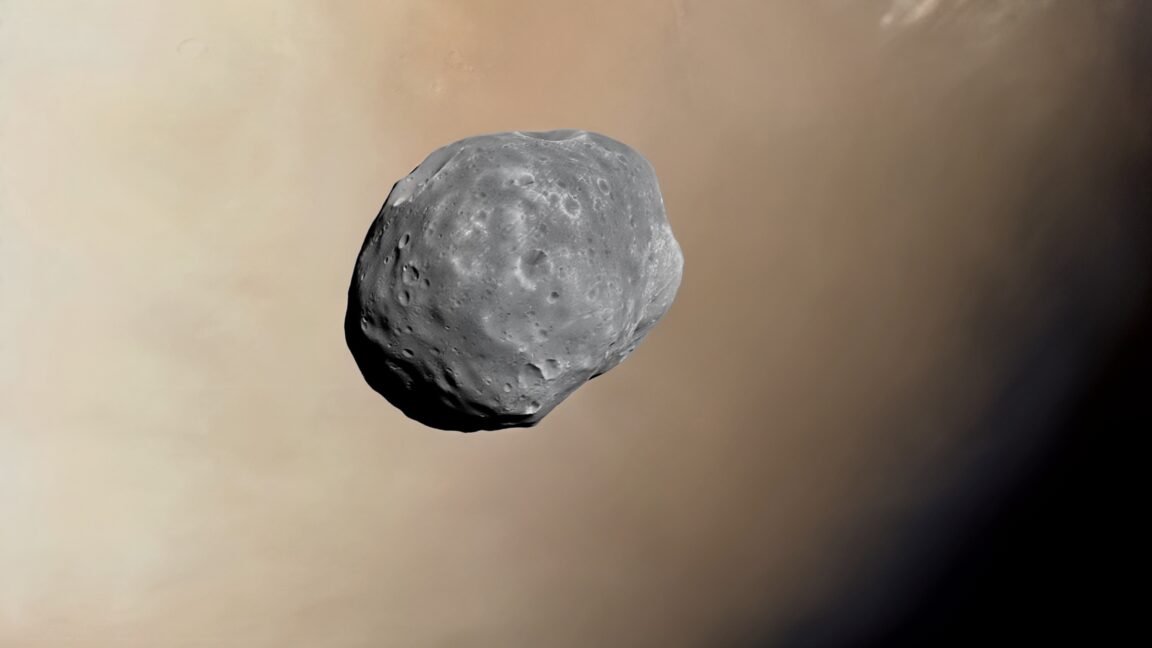
The probe is expected to reach the vicinity of Mars in August 2027. It will enter a quasi-satellite orbit to conduct observations and map the surface of Phobos, which has a diameter of approximately 22 km.
The primary objective is to collect at least 10 grams of material from Phobos. The mission includes the IDEFIX rover, developed by ESA, CNES, and DLR, which is scheduled for deployment in late 2028 or early 2029.
Scientific instruments include the MEGANE spectrometer, developed by the Johns Hopkins Applied Physics Laboratory with NASA participation. NASA will receive at least 15% of the collected samples for analysis.
The mission will last nearly three years in the Martian system, with the sample return capsule scheduled to arrive on Earth in 2031. Researchers aim to determine if the moons are captured asteroids or debris from a collision.