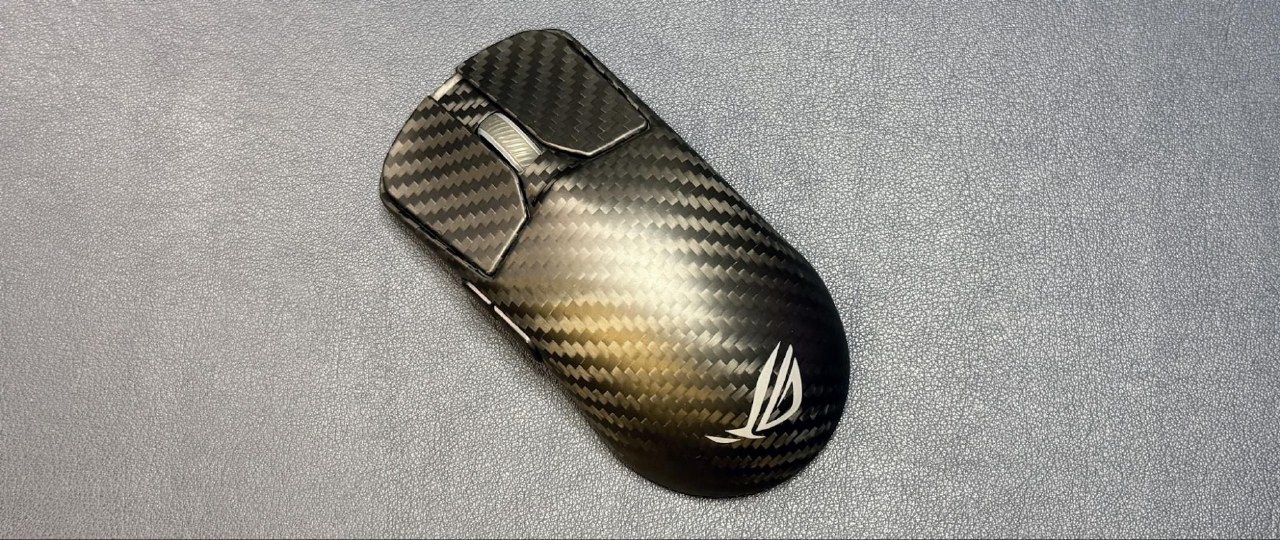
Modern gaming mice increasingly feature polling rates of up to 8,000 Hz, which reduces latency to 0.125 milliseconds compared to 1 millisecond at 1,000 Hz. While this shift aims to improve responsiveness for esports, the practical benefits for average users are minimal due to diminishing returns.
High polling rates place additional load on the CPU, potentially impacting overall system performance. Furthermore, users require a high-refresh-rate monitor, ideally 240 Hz or higher, to perceive any difference in cursor smoothness. These requirements necessitate a powerful gaming PC to maintain stability.
Battery life on wireless models decreases significantly at 8,000 Hz. For instance, the Corsair Sabre v2 Pro Wireless drops from 120 hours to 21 hours, the Razer Basilisk V3 Pro 35K from 150 to 28 hours, and the Turtle Beach Burst II Pro from 150 to 40 hours.
Manufacturers now include 8,000 Hz support in various models, from flagship esports devices like the Razer DeathAdder V4 Pro to budget options like the Redragon M916 ULT. Some mice require additional accessories, such as the Razer Mouse Dock Pro or HyperPolling Wireless Dongle, to achieve these rates.