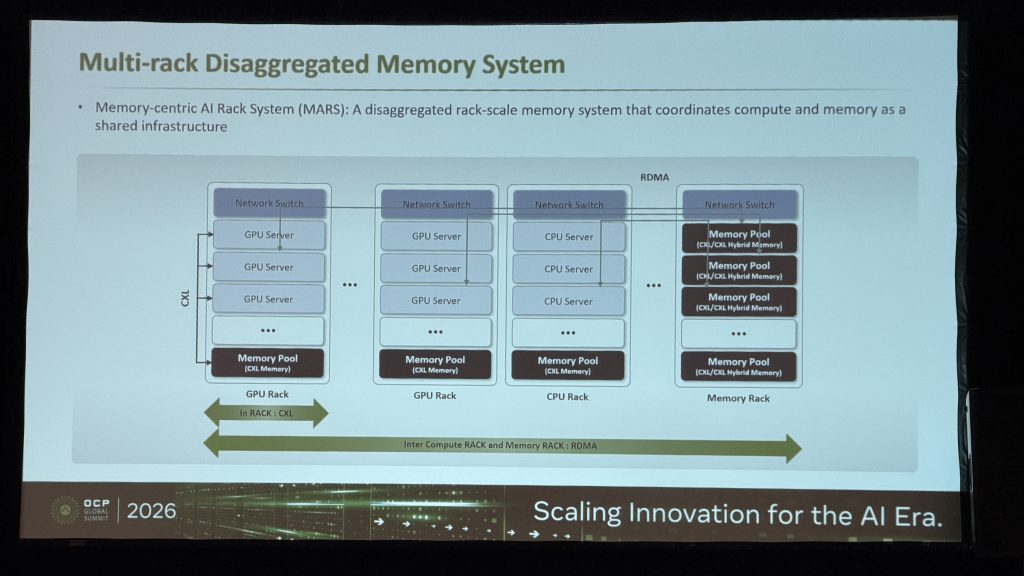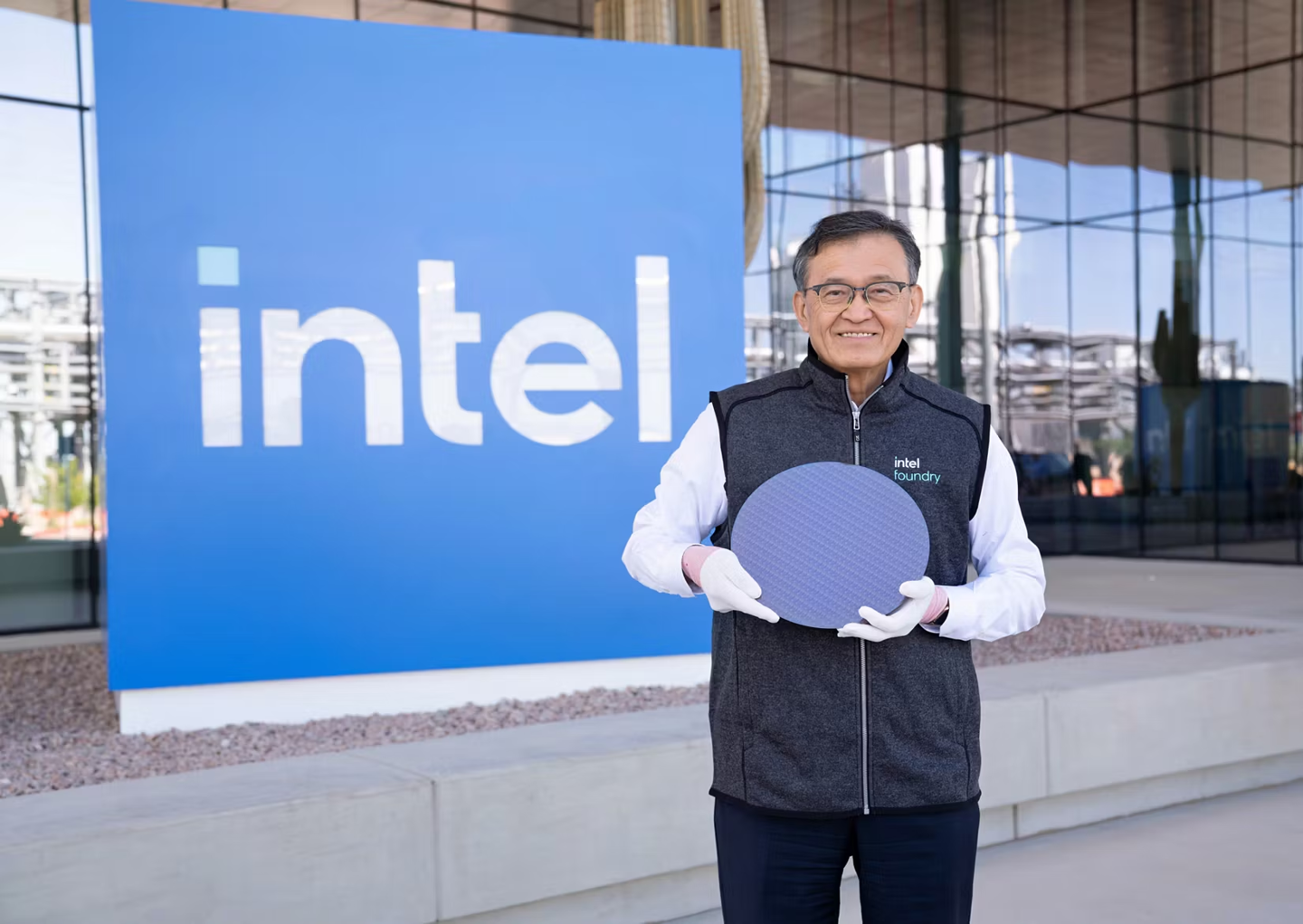
Intel CEO Pat Gelsinger addressed the ongoing memory shortage at the AI Infrastructure Forum in Santa Clara. He noted that the situation is expected to deteriorate further, as limited production capacity has already caused project delays and driven memory prices up by 5 to 7 times. Securing supply for budget-friendly smartphones and laptops has become particularly challenging.
Beyond memory, Gelsinger identified power supply and cooling as critical bottlenecks for the semiconductor industry. Intel is currently investing in advanced thermal management solutions, including liquid cooling and microfluidic cooling, to address these needs. He emphasized that power efficiency and system architecture design are becoming increasingly vital for modern applications.
The semiconductor market is shifting from individual chip competition to system-level rivalry. Major players like Nvidia and AMD are now selling integrated rack systems that combine GPUs, CPUs, networking equipment, and software. Gelsinger stated that Intel is focusing on system-level load management and customized client solutions, with upcoming announcements expected in the substrate sector.
Despite being a competitor in the AI chip market, Nvidia remains a key shareholder and partner for Intel. Gelsinger explained that no single company can excel in every area, necessitating a strategy of resource concentration on core strengths while maintaining collaborations with industry peers who hold advantages in other segments.