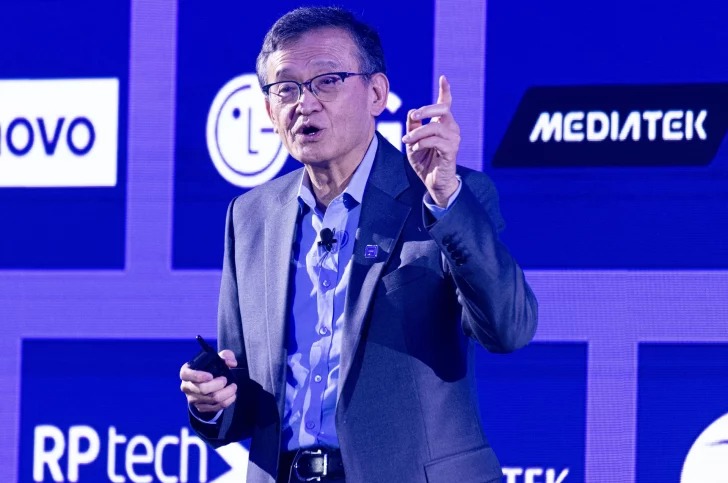
Intel CEO Lip-Bu Tan stated that the artificial intelligence industry will face hardware shortages for the next two to three years. This projection stems from ongoing constraints within the technology supply chain, including limited capacity for advanced packaging at TSMC and high demand for memory chips.
The executive noted a shift in AI infrastructure requirements, as the ratio of GPUs to CPUs in AI training has moved from 8:1 to 4:1. This trend aligns with the rise of agentic AI applications, which Intel leverages to drive recovery in its data center and AI business division, which saw a 59% year-over-year revenue increase in the second quarter.
Regarding broader market trends, Tan highlighted that Chinese AI models currently offer significantly lower token costs while maintaining satisfactory performance. He emphasized that while capital remains the primary constraint for infrastructure expansion, proving a return on investment is essential for long-term investor confidence.
Tan also expressed optimism about quantum computing, predicting it could reach mainstream adoption within three to five years. He is actively investing in the sector through his venture capital fund, focusing on identifying practical use cases to facilitate the widespread implementation of quantum technologies.