

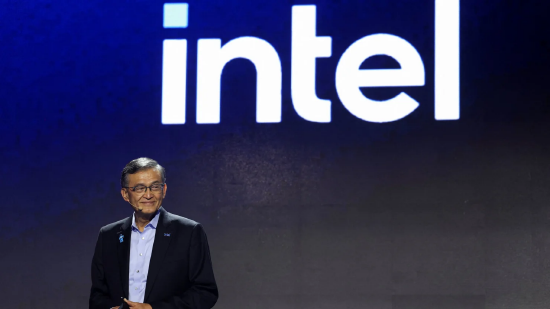
Broadcom CEO Hock Tan and Intel CEO Pat Gelsinger identified capital access as the primary constraint for the AI industry. While infrastructure demand remains high, rising borrowing costs and market skepticism regarding investment returns pose significant risks to long-term expansion.
Hock Tan noted that while supply chain issues like memory shortages may resolve within a year, and wafer supply could stabilize by 2028–2029, financing remains a persistent hurdle. High bond yields increase the cost of building data centers and purchasing chips, complicating long-term project viability.
Despite these financial concerns, both executives anticipate strong short-term demand for AI infrastructure. Broadcom expects the supply-demand imbalance to persist until 2029 or 2030, while Intel projects steady growth for the next two to three years driven by AI adoption.
Future industry growth depends on the ability of companies to generate tangible returns on AI investments. Executives warned that if AI models fail to deliver expected performance or economic benefits, demand for infrastructure could decline as businesses prioritize efficiency and proven business models.

