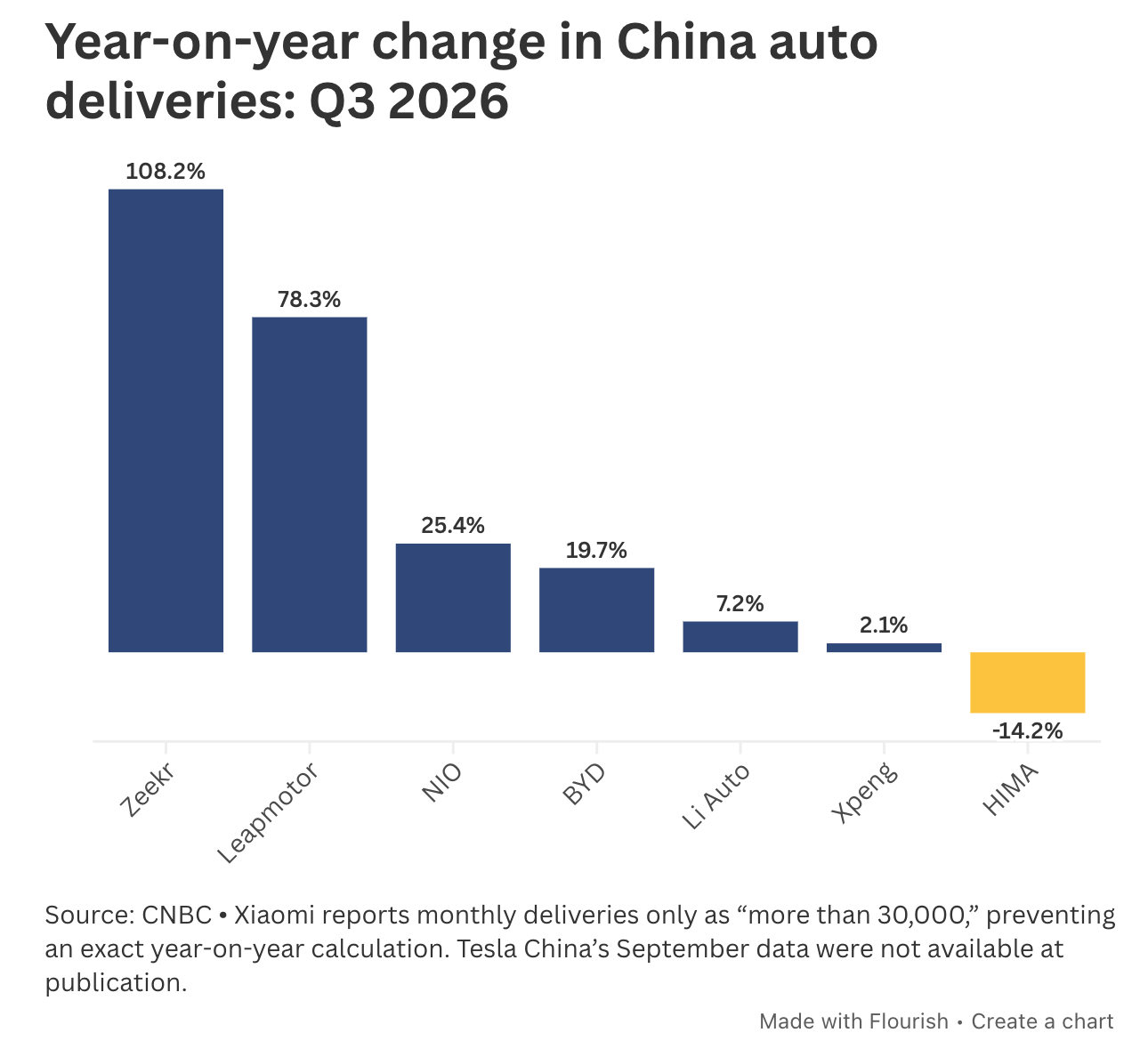
Huawei is shifting its business strategy as rapid growth in the consumer electronics and electric vehicle sectors begins to slow. The company is moving from a phase of aggressive expansion to one focused on product innovation and ecosystem integration, as both the Chinese smartphone and EV markets reach maturity.
In the smartphone sector, Huawei has regained a strong position in the high-end market through its Mate and Pura series, bolstered by domestic chip development. However, the company faces increased competition from Apple and local rivals like Xiaomi, OPPO, and vivo, while longer consumer upgrade cycles limit overall market growth.
Huawei continues to invest in foldable devices, including triple-fold models, though these remain a niche segment. Simultaneously, the company is expanding its Harmony Intelligent Mobility Alliance, partnering with manufacturers such as Seres, Chery, JAC, and BAIC to provide smart driving and cockpit systems for brands like AITO and Luxeed.
The EV market is now defined by intense competition, with rivals like BYD, Li Auto, NIO, and Xiaomi aggressively updating features and lowering prices. Huawei's technological edge in smart cockpits is becoming a standard industry requirement rather than a unique differentiator, forcing the company to prioritize continuous software and hardware updates.
The company's long-term strategy hinges on the HarmonyOS ecosystem, aiming to create seamless connectivity between smartphones, vehicles, and smart home devices. Success will depend on Huawei's ability to maintain technical leadership across these diverse, highly competitive sectors while fostering user loyalty through an integrated ecosystem.