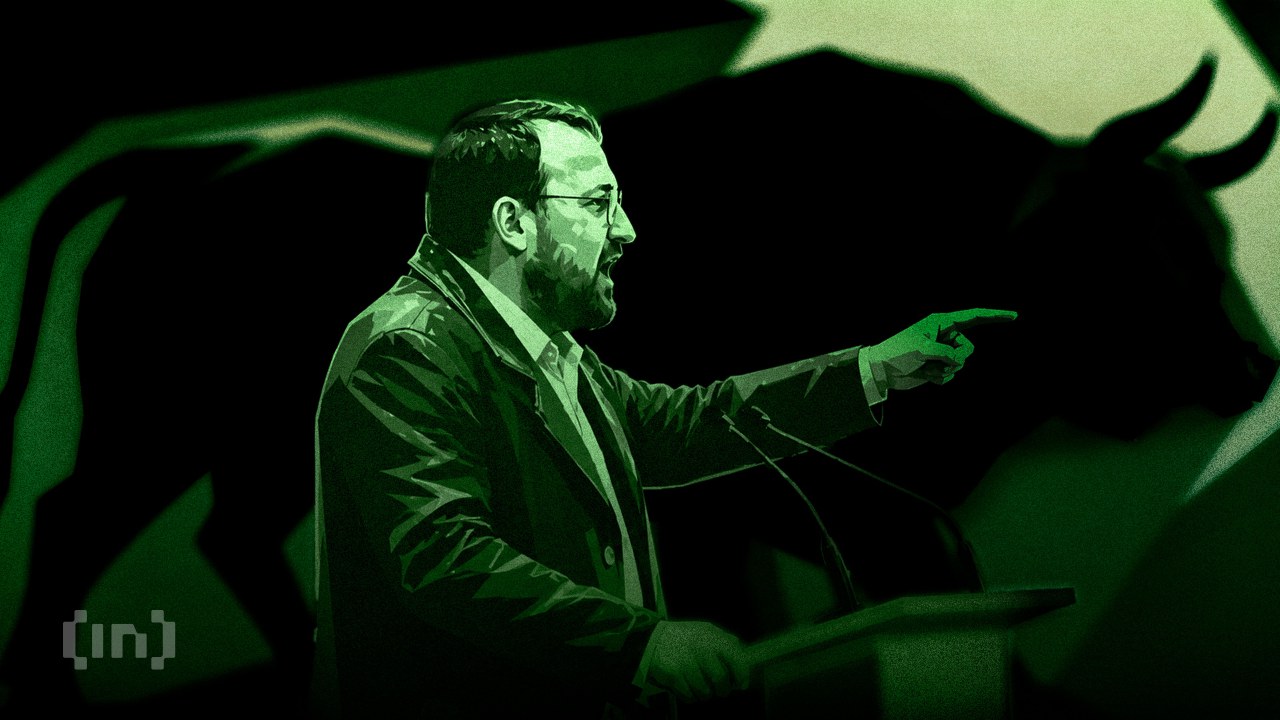
Charles Hoskinson, founder of Cardano, expressed concerns regarding the potential for asset and transaction discrimination within the European Union's digital euro project. During the Future of Money, Governance & the Law Summit held on October 2 at the United Nations headquarters, he argued that a central bank digital currency could function as a financial surveillance tool capable of blocking specific payments.
Hoskinson emphasized that current EU draft legislation, which excludes programmable spending rules, remains subject to ongoing negotiations. He stated that only legally binding provisions could prevent the implementation of restrictions on individual transactions, such as limits on monthly fuel purchases. As an alternative, he proposed his Midnight privacy network, which relies on code-based standards.
The European Parliament initiated trilogue negotiations on July 9 following a vote of 416 to 169. Recent discussions held on September 30 concluded without a consensus on merchant fees or individual balance limits. While the European Central Bank previously stated it would not restrict payment parameters, these assurances are not yet legally binding.
The European Central Bank intends to launch a 12-month pilot program starting in late 2027, with a potential issuance of the digital euro in 2029. Meanwhile, the United States Senate has enacted a temporary ban on a central bank digital currency that remains in effect through 2030. These developments highlight the ongoing global debate regarding the regulation of digital currencies.