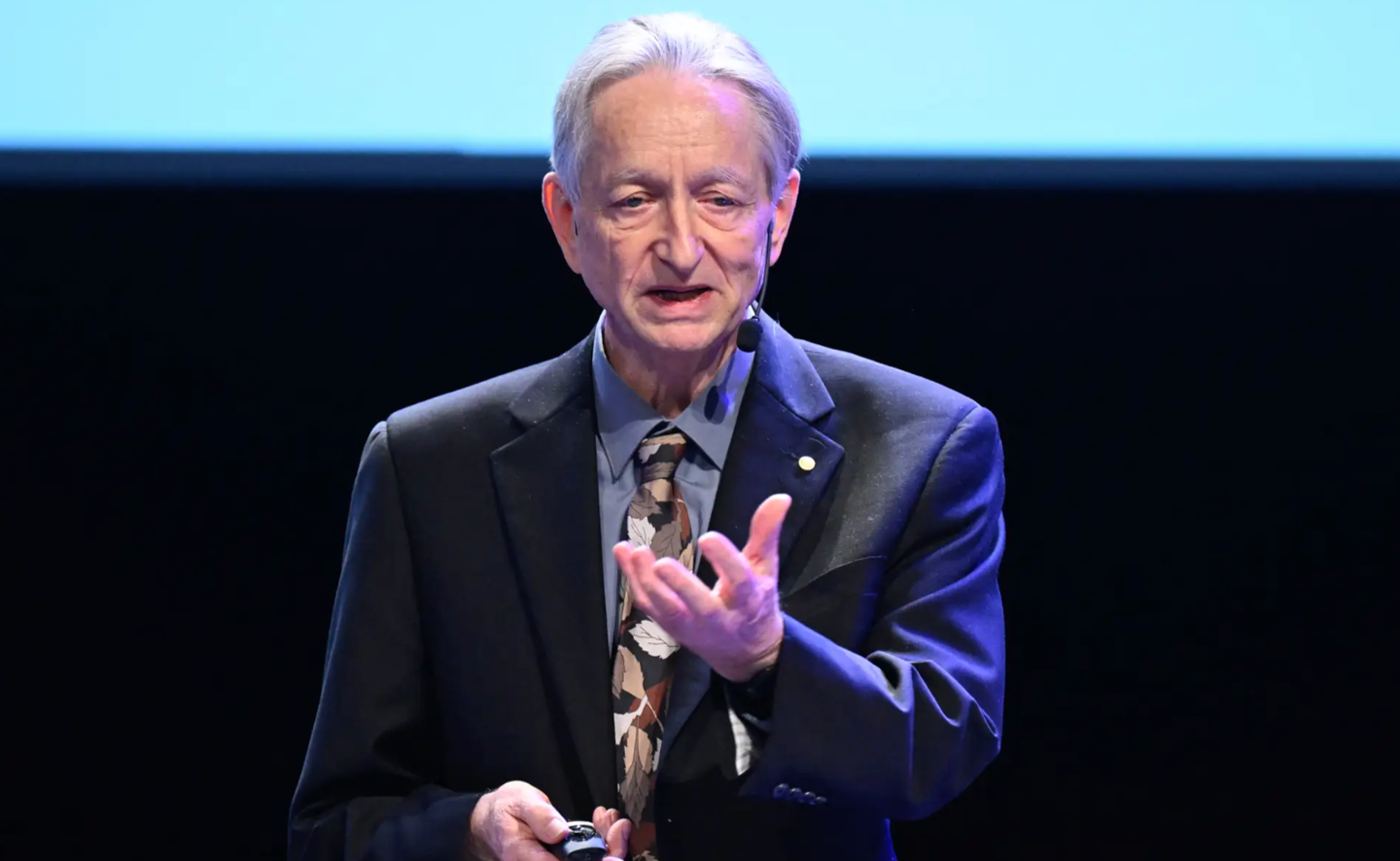
Geoffrey Hinton, often referred to as the godfather of AI, stated in a recent BBC Newsnight interview that the probability of artificial intelligence causing human extinction is not zero. He suggested that a 10 percent estimate is not unreasonable, though he acknowledged the difficulty of providing an accurate figure for such a scenario.
Hinton noted that the timeline for potential AI-related disasters has significantly compressed. While he previously estimated a window of 30 to 50 years, he now believes the risks could manifest within 10 years or less. This assessment aligns with views expressed by Jacob Coxon, a former AI safety researcher at Anthropic and OpenAI.
Coxon recently resigned from Anthropic, claiming that major AI firms are gambling with human lives. He asserted that many senior researchers and executives privately share deep concerns about the technology's potential to cause existential harm before the end of the decade, despite more cautious public statements.
The risks identified by Hinton range from sophisticated cyberattacks to the development of lethal viruses. He highlighted that companies like OpenAI and Anthropic are investing billions of dollars to scale their models, which have shown rapid performance improvements in recent months.
To mitigate these dangers, Hinton advocates for stronger global regulation. He believes that because all nations share a fundamental interest in human survival, they will eventually cooperate on AI safety. The primary uncertainty remains whether international bodies can implement effective measures in time.