Former Groq engineers have filed a lawsuit against the company's board, challenging the terms of a $20 billion deal with Nvidia. The plaintiffs allege that the board failed to secure optimal terms for all shareholders and denied some the right to vote on the transaction. The lawsuit claims that top employees, including founder Ross, received separate payments while other shareholders were excluded from potential upside.
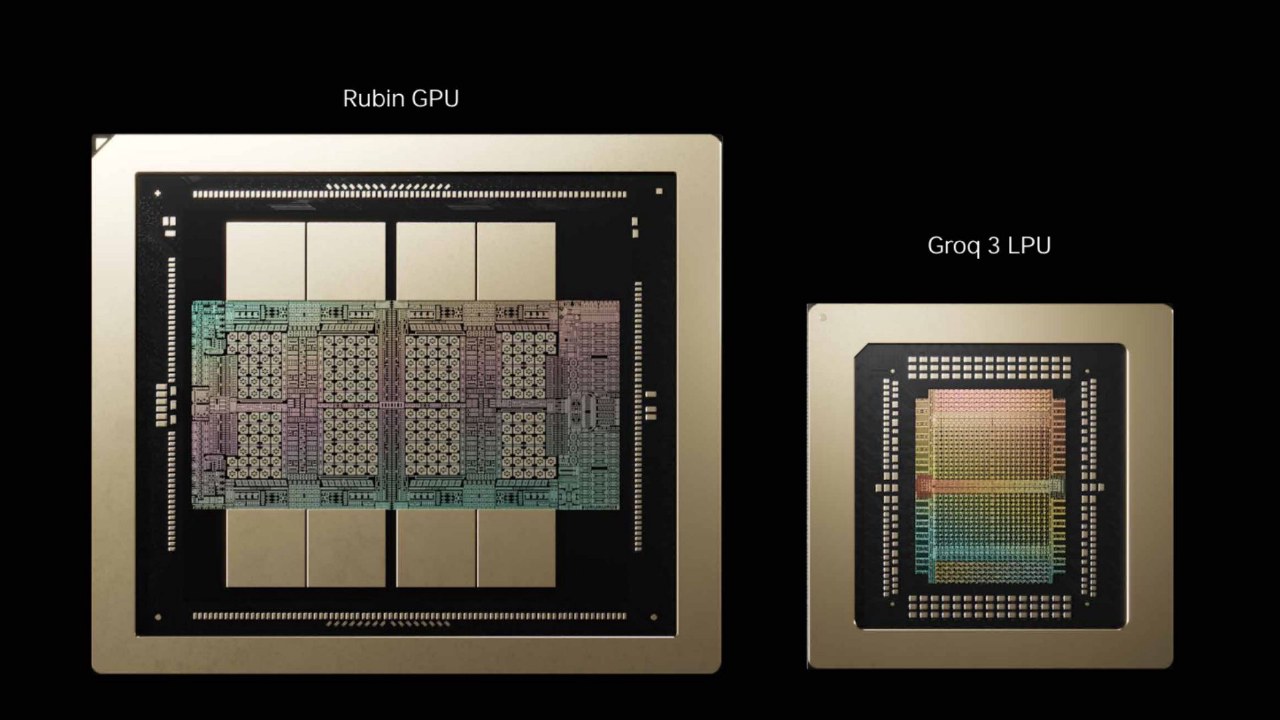
Nvidia reported a $14.4 billion goodwill charge related to the workforce and future technology development, alongside $2.5 billion for the technology itself. According to the company's 10-K filing, $13 billion was paid at closing, with an additional $4 billion payable within one year. The deal involved licensing LPU technology and hiring nearly 200 Groq engineers, rather than an outright acquisition of the company.
The transaction is currently under scrutiny by the Department of Justice, with the Federal Trade Commission also examining such acqui-hire structures. Groq has publicly dismissed the lawsuit as meritless, asserting that the licensing agreement provided significant value to the company, its investors, and its employees. The company continues to operate independently, managing 13 data centers and planning to scale capacity by 2027.
Groq's valuation reached $6.9 billion in September 2025 following a $750 million funding round. In August, the company raised a $350 million Series A, resulting in a $3.5 billion valuation. The board members cited in the complaint as having conflicts of interest include BlackRock, Social Capital, Infinitum, and Disruptive. These entities are not currently named as defendants in the legal proceedings.