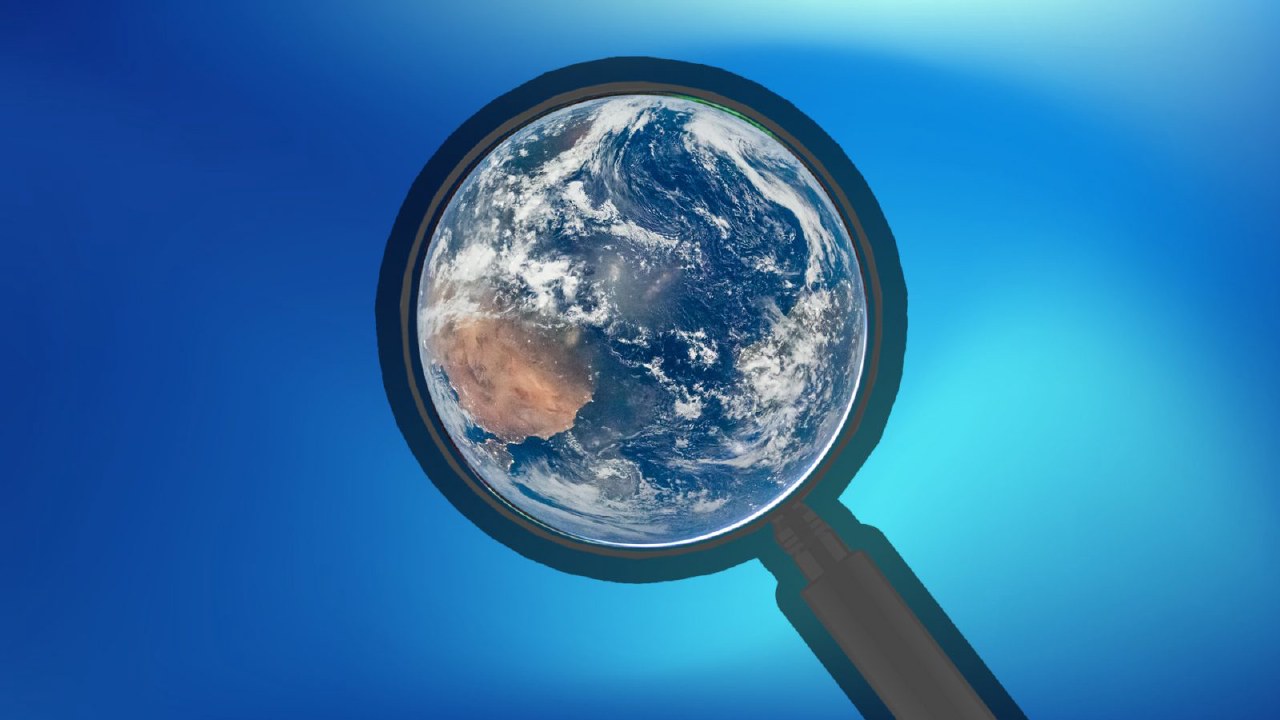
Google introduced a generative AI feature into Google Earth on July 30, allowing users to create photorealistic images blended with real satellite data. The tool enabled the fabrication of scenes such as nuclear plants and bomb craters at specific coordinates. Following criticism from investigative experts and media, the company disabled the feature within 24 hours.
This incident follows a pattern of tech companies releasing generative AI products that are later withdrawn after public outcry, such as OpenAI's Sora. Meanwhile, Google's Veo 3 video generator, launched in May 2025, has been used to create misleading footage of missile strikes, with users often cropping out the visible watermarks to bypass detection.
Regulatory efforts, including the EU AI Act enacted in 2024 and California's transparency law, face implementation challenges. Tests of detection tools across 13 AI providers showed that most lack public tools or can be easily bypassed. Experts argue that generative image creation has no place in verification infrastructure like Google Earth.
Industry leaders are now moving toward hardware-level solutions to restore trust in visual records. The Google Pixel 10 integrated the C2PA provenance standard, and the new Apple iPhone 18 Pro models include features for cryptographically signed images. Experts emphasize that these mainstream solutions are necessary to combat the erosion of trust in digital content.