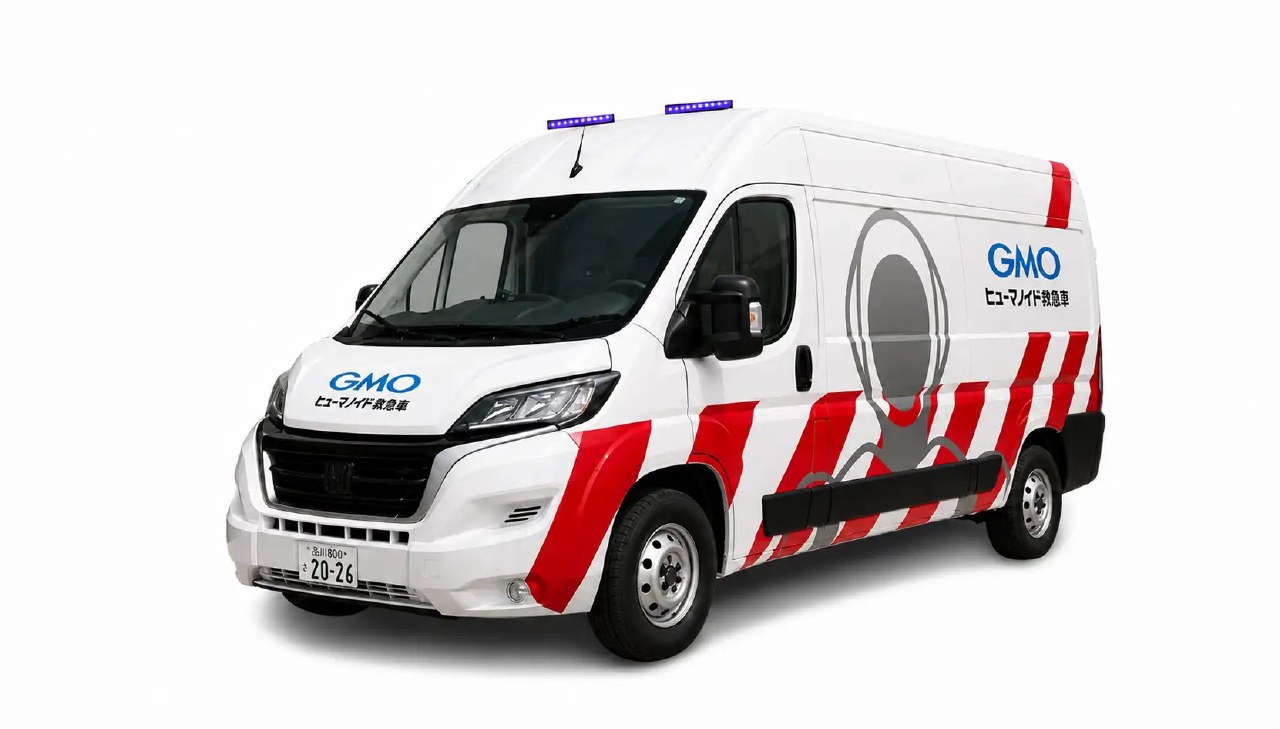
The vehicle is designed to provide on-site diagnostics, repairs, and the delivery of replacement robots. It is equipped with specialized stretchers for humanoid robots, as well as a variety of spare parts, consumables, and computers.
If a robot cannot be fixed on-site, the vehicle transports it to a humanoid robot laboratory in Shibuya, Tokyo, for further diagnosis and repair.
The idea for the service was inspired by the second World Humanoid Robot Games in China in August. During the event, a Unitree G1 robot entered by GMO had its head damaged after a fall during the 400-meter preliminary heat.
Engineers were able to repair the robot using spare parts within 10 minutes, allowing it to compete in the semi-finals. This experience highlighted the need for a dedicated maintenance infrastructure for robots to be integrated into society.