The Global Electronics Association warns of a severe shortage in printed circuit board (PCB) supplies, potentially rivaling the 2021 chip crisis. Driven by the rapid growth of AI, demand for complex, high-layer boards has surged, with order volumes rising by 56.1% year-over-year while supply grew by only 13.3%.
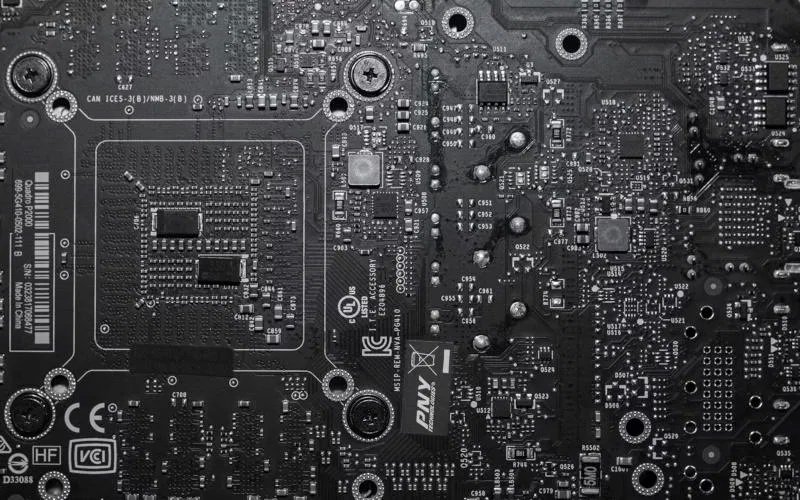
AI-focused server boards now require 40 to 60 layers, compared to the standard 12, consuming significantly more raw materials like glass fabric and copper foil. Lead times for these multi-layer boards have stretched to 16–20 weeks. Hyperscalers are currently prioritizing their supply, leaving automotive, medical, and defense sectors facing significant delays.
Market data from Yole indicates that the segment for boards with 18 or more layers will grow by 15.7% annually through 2031. AI-related products currently account for 30% of the PCB market, a share expected to exceed 50% by 2031. Some manufacturers have already reported that new orders cannot be fulfilled until 2028.
Despite $10 billion investments in new manufacturing facilities in both Southeast Asia and China over the last three years, the industry remains constrained by shortages of raw materials like glass fabric. Major companies like Panasonic Industry are investing ¥92 billion in AI-focused production, but many new facilities will not be operational for several years.
With over 90% of global PCB production concentrated in Asia, European capacity has dwindled to 2.2%. While some firms like Ventec and MICAM are planning new production in Ireland for defense electronics, the industry faces long-term structural challenges. Experts suggest that significant relief in the supply chain is unlikely before 2028.