

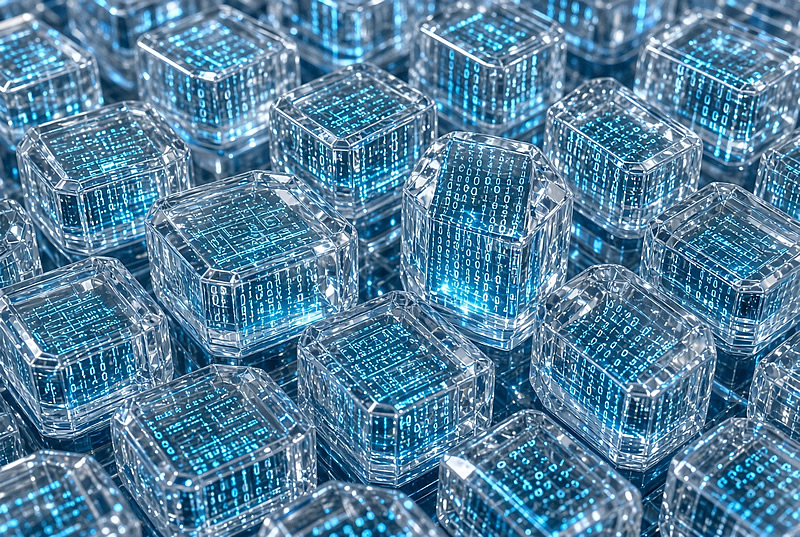
Researchers from the University of Southampton and Microsoft have developed a method to store digital data inside glass crystals using laser-formed nanostructures. This storage medium is resistant to fire, water, electromagnetic pulses, and temperatures reaching 1000 degrees Celsius.
Project Silica uses femtosecond lasers to create voxels inside glass plates. In January 2025, researchers recorded a full human genome into a quartz glass crystal the size of a coin. By February 2026, Microsoft successfully recorded nearly 2 TB of data into borosilicate glass, which is ten times cheaper than quartz.
The technology is designed for long-term archival storage, such as library and legal records, with an estimated lifespan of 10,000 years. The data is immutable and requires no power for maintenance. Microsoft has now opened the technology for broader market development.
The startup SPhotonix is currently using quartz glass crystals to store cultural archives at a secure facility in Switzerland. The company plans to scale this technology for commercial applications within the next five years.

