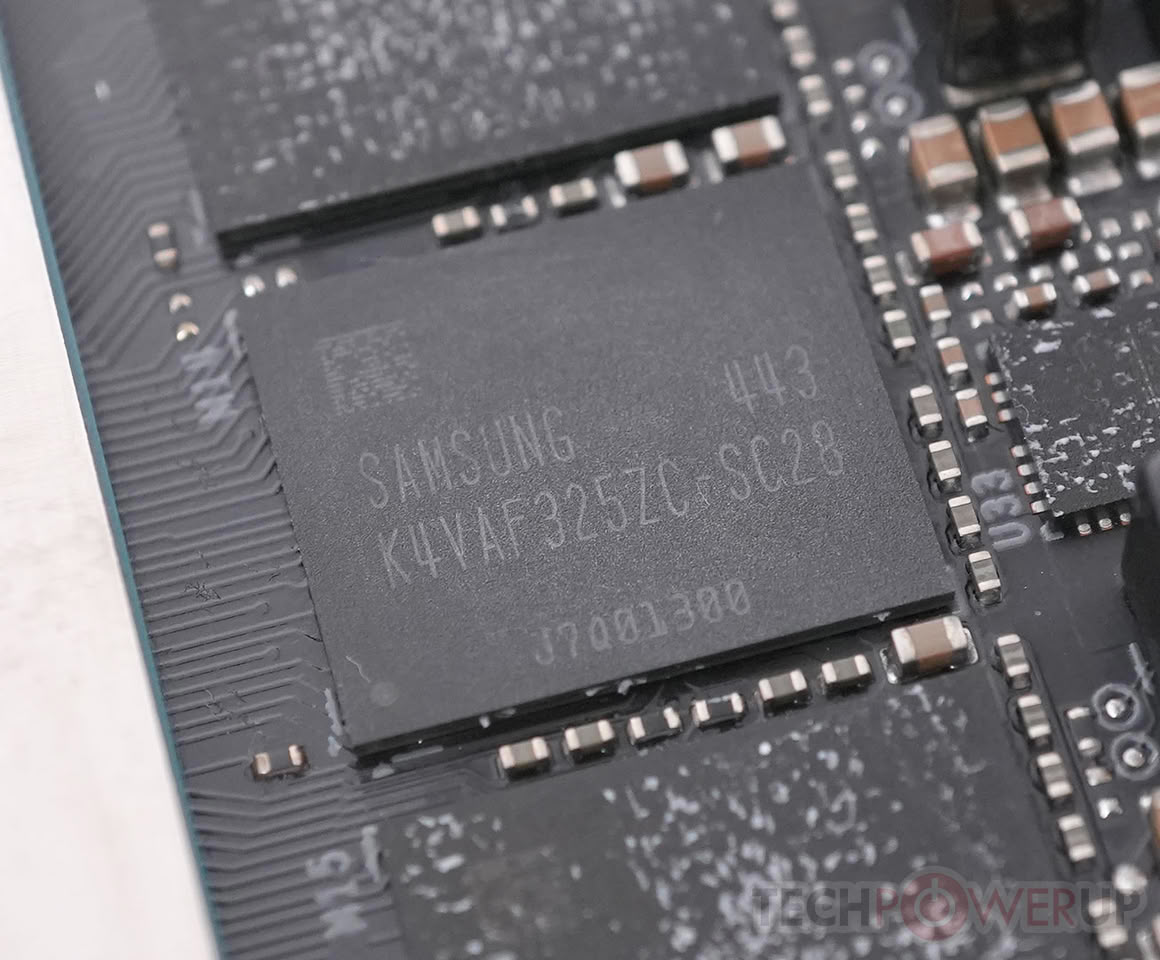
Current NVIDIA GeForce RTX 5090 graphics cards utilize 2 GB GDDR7 memory modules. While 3 GB variants exist, their high production costs have limited widespread adoption. Industry reports now suggest that memory manufacturers are preparing to introduce higher-density 4 GB and 6 GB GDDR7 chips between 2027 and 2028.
The introduction of these chips could significantly increase VRAM capacity without requiring changes to PCB layouts or memory bus widths. For instance, a 128-bit interface currently limited to 8 GB could support 16 GB or 24 GB configurations. Similarly, a 256-bit interface could scale up to 32 GB or 48 GB of memory.
High costs for existing 3 GB modules have reportedly impacted the development of mid-range hardware, including the rumored RTX 5050 9 GB and potential RTX 50 Super series refreshes. Analysts suggest that 4 GB chips may become the standard for mainstream cards if mass production lowers costs, while 6 GB modules will likely target workstation GPUs.
While these developments promise higher memory density, the timeline remains broad. There is currently no official confirmation that these components will align with specific future product cycles from NVIDIA or AMD, such as the RTX 60 series or next-generation Radeon graphics cards.