

Between June and August of this year, sales of new battery-electric and plug-in hybrid passenger vehicles in Russia reached 26,543 units, according to Autostat. This represents a more than twofold increase compared to the same period last year, when 12,187 vehicles were sold, marking a growth of 117.80 percent.
The surge in demand is attributed to fuel shortages caused by Ukrainian attacks on Russian oil refineries. Petrol production has dropped to approximately 70 percent of usual domestic consumption, leading to long queues at filling stations and increased usage of Rosatom's public charging stations.
Chinese manufacturers are primarily filling the market void left by European, American, Japanese, and South Korean automakers who exited Russia after 2022. Brands such as Zeekr and Li Auto are reaching buyers through official channels, parallel imports, and independent dealers.
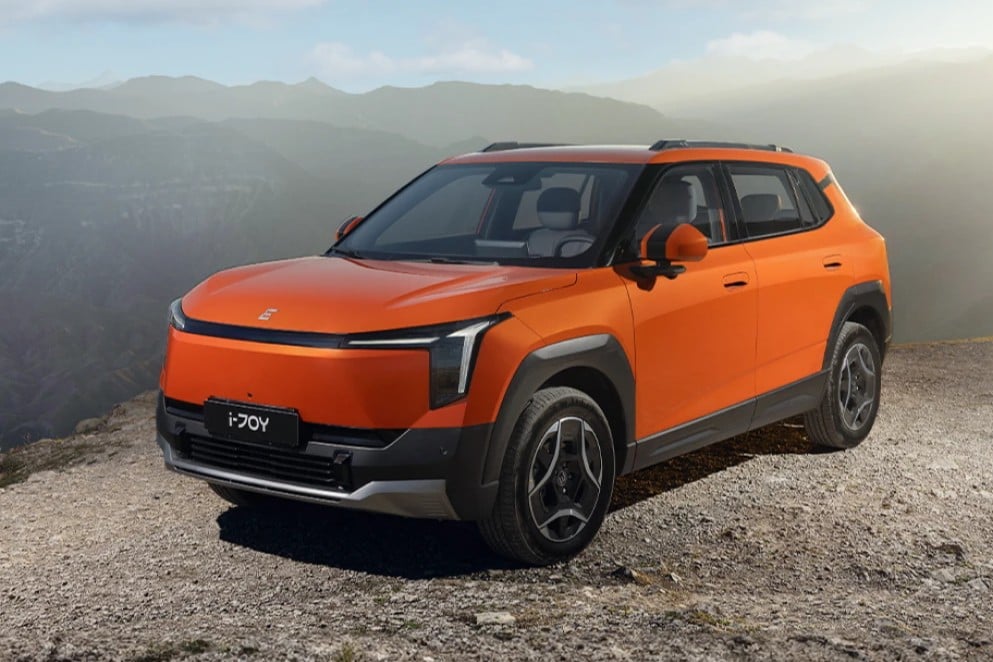
Local state-directed brands like Evolute and the revived Moskwa concern assemble Chinese models under their own names. For instance, the Evolute i-Joy compact electric SUV is based on the Dongfeng Fengon E3 and is assembled in Lipetsk using CKD kits from Dongfeng. Buyers currently receive a state subsidy of 35 percent of the purchase price.