According to the minutes of the September Federal Reserve meeting, officials identified artificial intelligence infrastructure development as a primary driver of persistent commodity price increases. This factor is now considered more significant than the impact of tariffs.
The surge in AI-related investments, coupled with rising crude oil and fuel costs stemming from the conflict in Iran, has intensified inflationary pressures. Data shows that commodity prices, excluding food and energy, continue to rise rapidly.
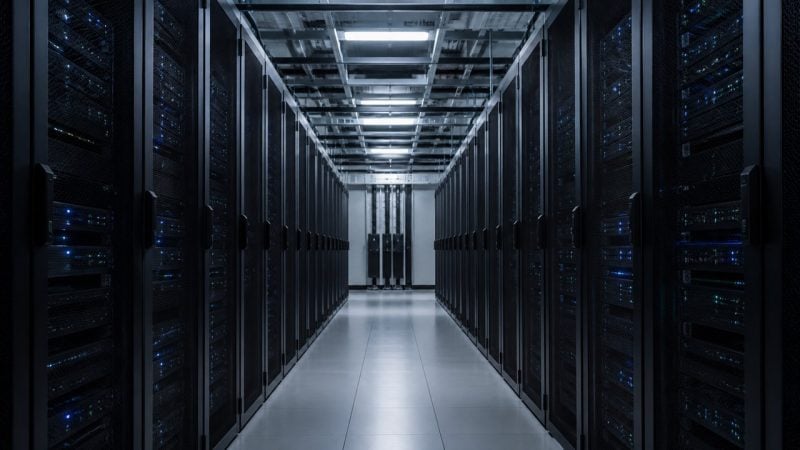
Federal Reserve officials observed that while AI was rarely discussed in economic policy meetings a year ago, it has become a frequent topic this year. Companies are currently borrowing heavily to fund data center construction and hardware procurement.
Some officials expressed concern that the AI investment boom could boost overall economic demand beyond supply capacity, further driving up prices. The Federal Reserve projects that the inflation rate will not reach its 2 percent target until 2029.
Despite short-term inflationary risks, officials anticipate that AI investments will eventually enhance productivity and expand economic output. However, the exact scale and timing of these long-term economic gains remain uncertain.