The NEO-CYCLE project, funded by the European Union under the Horizon Europe programme, aims to develop local European recycling processes for rare earth elements. The initiative involves 23 partners, including the Fraunhofer IKTS and TU Bergakademie Freiberg, and is scheduled to run for four years with the goal of establishing a pilot plant.
Researchers are focusing on recovering neodymium from permanent magnets found in electric vehicles, wind turbines, and electronic devices like hard disk drives. Currently, most magnets collected in Europe are sent to China for reprocessing, as 90 percent of global neodymium processing occurs there. The project seeks to reduce this geopolitical dependency.
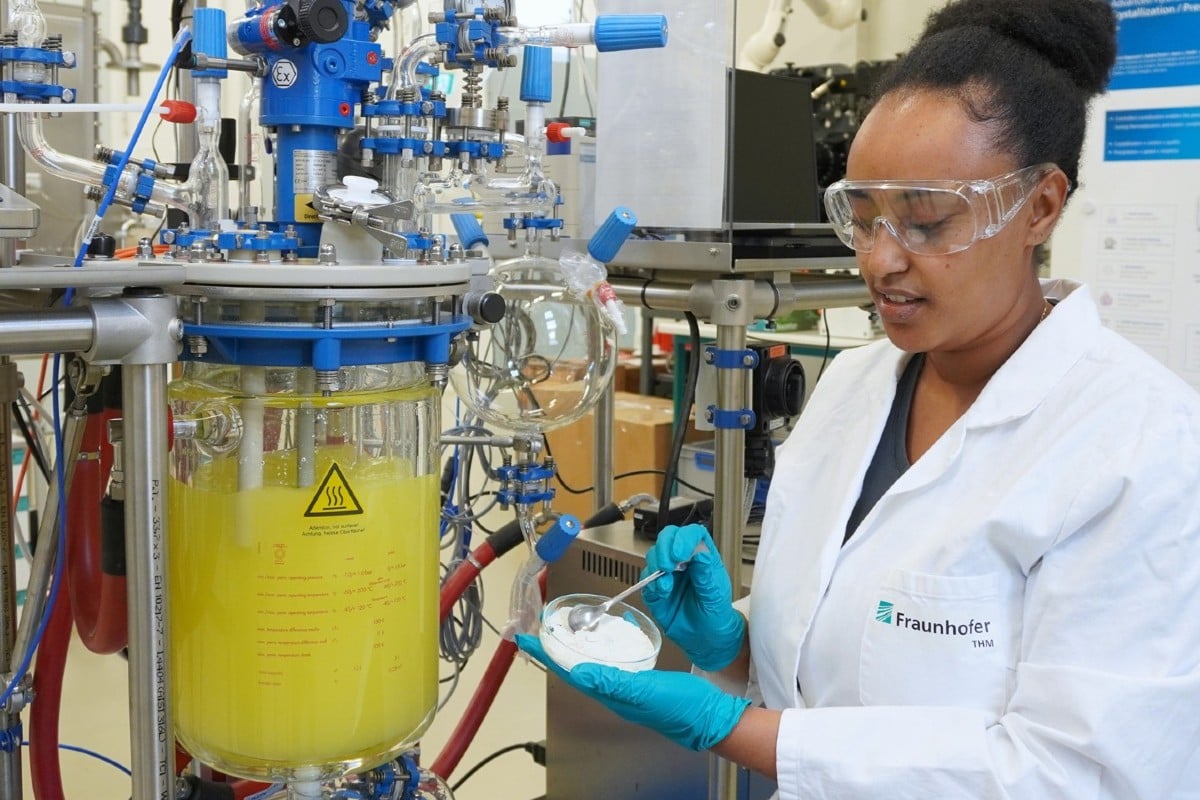
The team is testing two primary recycling methods: solid-state chlorination and electrochemical processing. The chlorination method, which is already patented for fluorescent lamps, uses ammonium chloride to extract metal chlorides. The electrochemical approach utilizes an electrolyte, such as diluted sulphuric acid, to separate boron and other metals from pulverized magnet waste.
Following extraction, the Fraunhofer IKTS team applies hydrometallurgical processes to purify the recovered materials. These recycled rare earth elements are intended for use in the pharmaceutical, hydrogen, and fertilizer industries. The project aims to close the materials loop and provide high-value raw materials to four distinct sectors.