

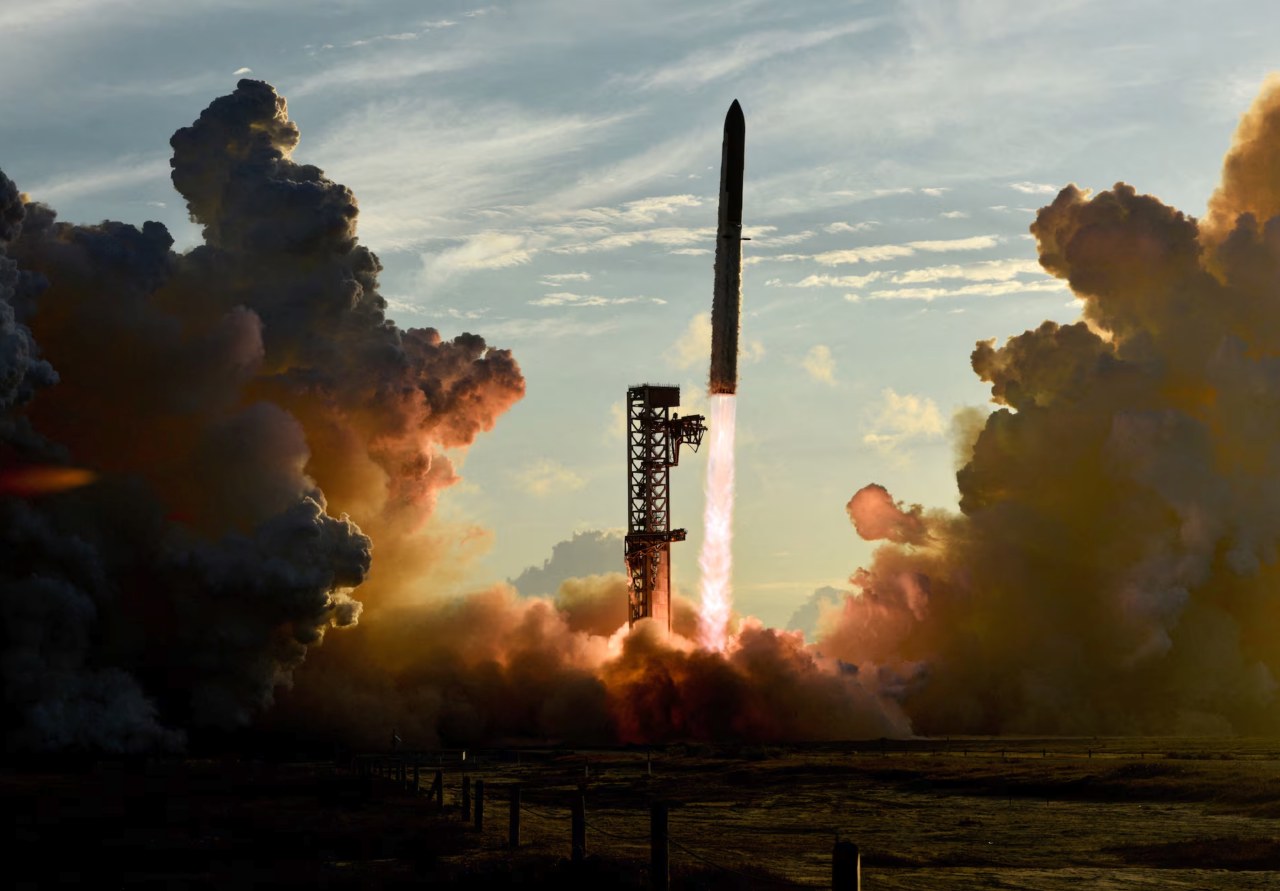
During the 14th unmanned test flight of SpaceX's Starship, one of the three main Raptor engines shut down unexpectedly after separation from the first stage. Despite this, flight controllers successfully placed the spacecraft into orbit to deploy commercial satellites.
The Raptor engines, which use methane as fuel, are among the most complex and expensive components of the rocket. Similar issues occurred during the 12th test flight in May, when an engine failed to ignite as planned, though all engines performed correctly during the 13th flight in July.
Aerospace engineer Dean Sladen noted that the impact on development depends on whether the failure was an isolated incident or a systemic design flaw requiring a fleet-wide upgrade. Any delays in engine repairs or recovery attempts by the launch tower could push back the NASA lunar schedule.
SpaceX is developing the Human Landing System for NASA's Artemis program, competing with Blue Origin's Blue Moon lander. NASA aims to return humans to the moon by 2028, with a precursor orbital test for the Artemis 3 mission tentatively scheduled for the summer of 2027.
NASA administrator Jared Isaacman stated in April that the agency will prioritize whichever lander is flight-ready first, as delays in the Starship program have prompted NASA to encourage more competition to ensure project progress.


