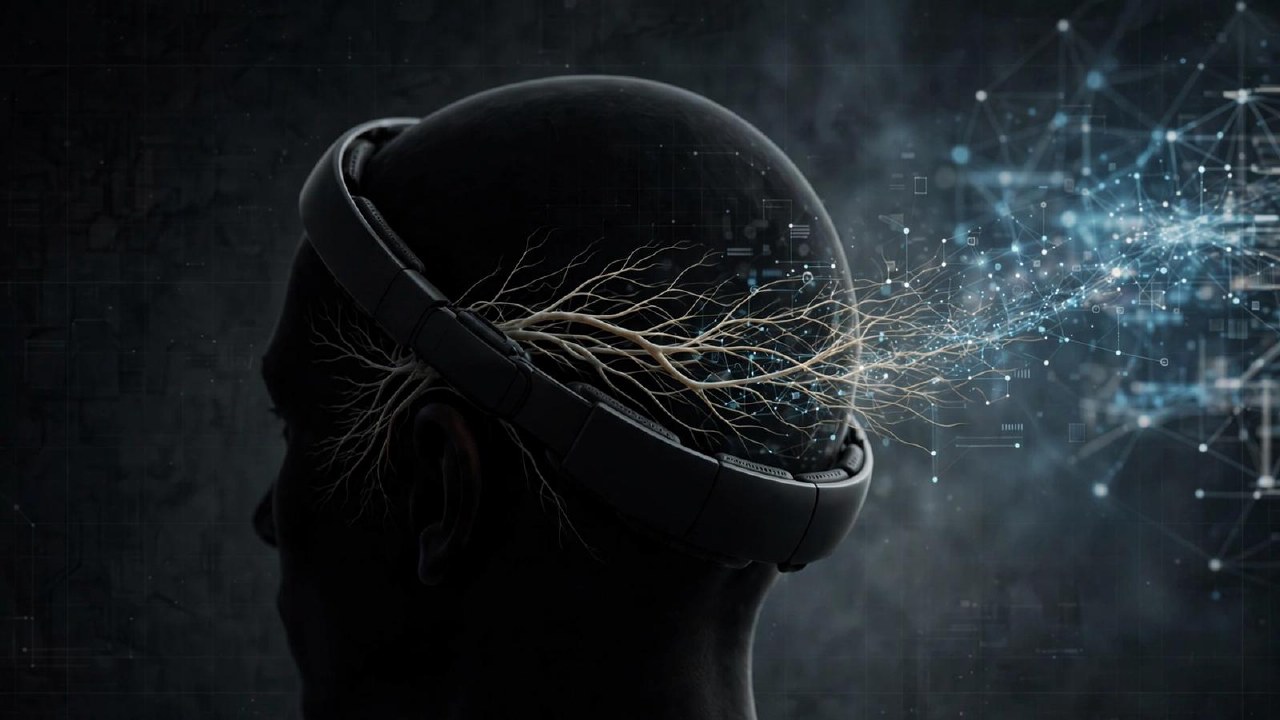
A recent Science report reveals that manufacturers of EEG headsets are secretly utilizing user brain data to train artificial intelligence models. Companies often fail to disclose this practice, as seen with InteraXon, the maker of the $475 Muse device, which only confirmed data sharing after a direct inquiry.
An audit of privacy policies across dozens of firms shows that 33% do not clarify the destination of recorded brain signals. Furthermore, 11 companies only provided policies covering website interactions, while 4 developers lacked any privacy documentation entirely. The industry has been active since the early 2010s, but the recent AI boom has shifted how this information is leveraged.
Developers claim that aggregating user signals is essential for improving algorithm accuracy. For instance, the startup Piramidal used thousands of hours of recordings to identify 9 out of 10 epilepsy seizures in a pilot study. However, experts note that consumer devices like Muse use only a few sensors for comfort, whereas medical-grade equipment utilizes up to 24 electrodes.
Security specialists warn that the lack of clear regulations creates risks for personal data privacy. As AI models evolve, brain signals could become a new target for advertising networks or corporations seeking to build detailed user profiles. The report highlights an urgent need for legal standards for biometric information, potentially classifying it alongside genetic data.