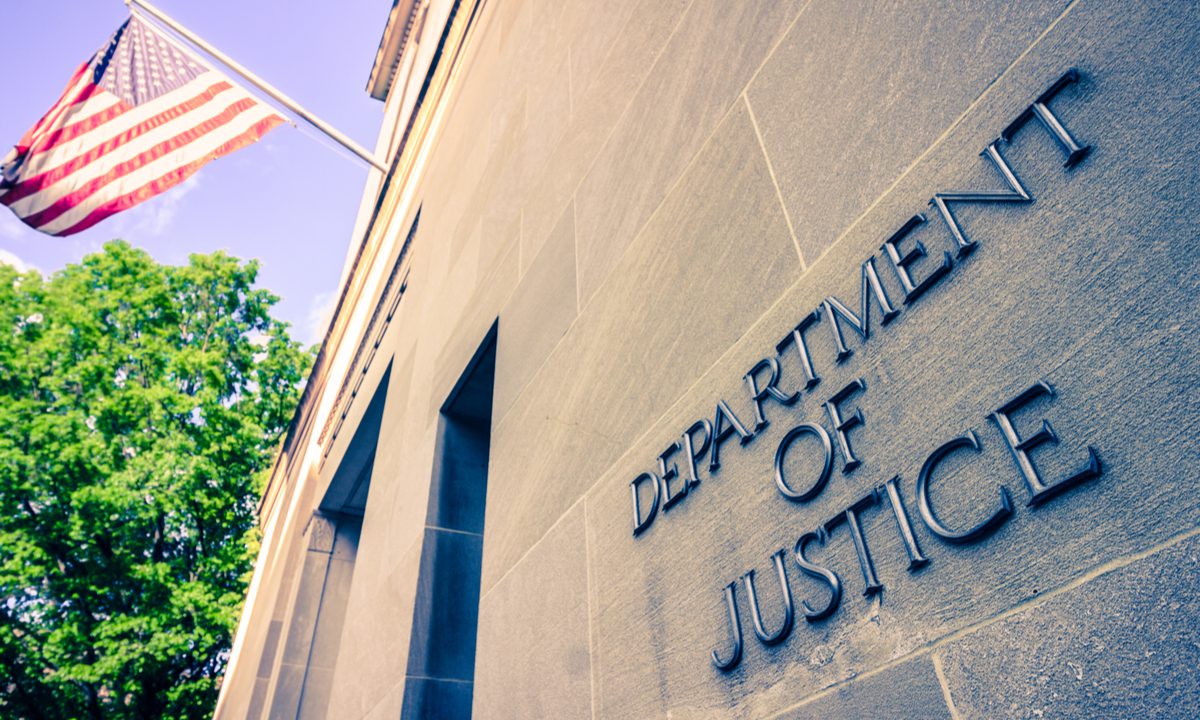
The U.S. Department of Justice has launched a new fraud division, shifting from a case-driven approach to a proactive, data-driven enforcement model. The agency is building a nationwide organization that will eventually include approximately 500 attorneys and staff, with further expansion expected over the next two years.
The division's infrastructure features a National Fraud Detection Center, data scientists, and specialized litigation resources. The DOJ aims to utilize advanced analytics to identify suspicious patterns across government procurement, healthcare, tax, international trade, and corporate misconduct.
According to a 2024 Government Accountability Office estimate cited by the DOJ, fraud costs the federal government between $233 billion and $521 billion annually. The new strategy involves integrating datasets from various agencies to detect anomalies in billing, claims, and supply chains.
The DOJ plans to apply this model to healthcare by analyzing Medicare and Medicaid data, including procedure codes and prescribing behavior. Similar analytical methods will be used for tax enforcement and global trade, targeting issues like tariff evasion and sanctions violations.
Legal experts advise companies to improve their internal data analytics to identify potential compliance issues before the government does. Businesses should map their exposure, test internal monitoring systems, and establish rapid escalation procedures for reporting anomalies to legal teams.
The new enforcement model emphasizes the importance of voluntary disclosure. As the DOJ enhances its independent detection capabilities, the window for companies to benefit from cooperation policies may narrow if the government identifies misconduct patterns first.