Former OpenAI researcher Will DePue identified numerical fingerprints corresponding to Nvidia Blackwell GPUs in six Chinese AI models. The affected models include DeepSeek-V4-Flash, DeepSeek-V4-Pro, Moonshot AI's Kimi K3 and Kimi K3.1-Pro, as well as Ant Group's MiniMax-M3 and Ling-3.1-flash.
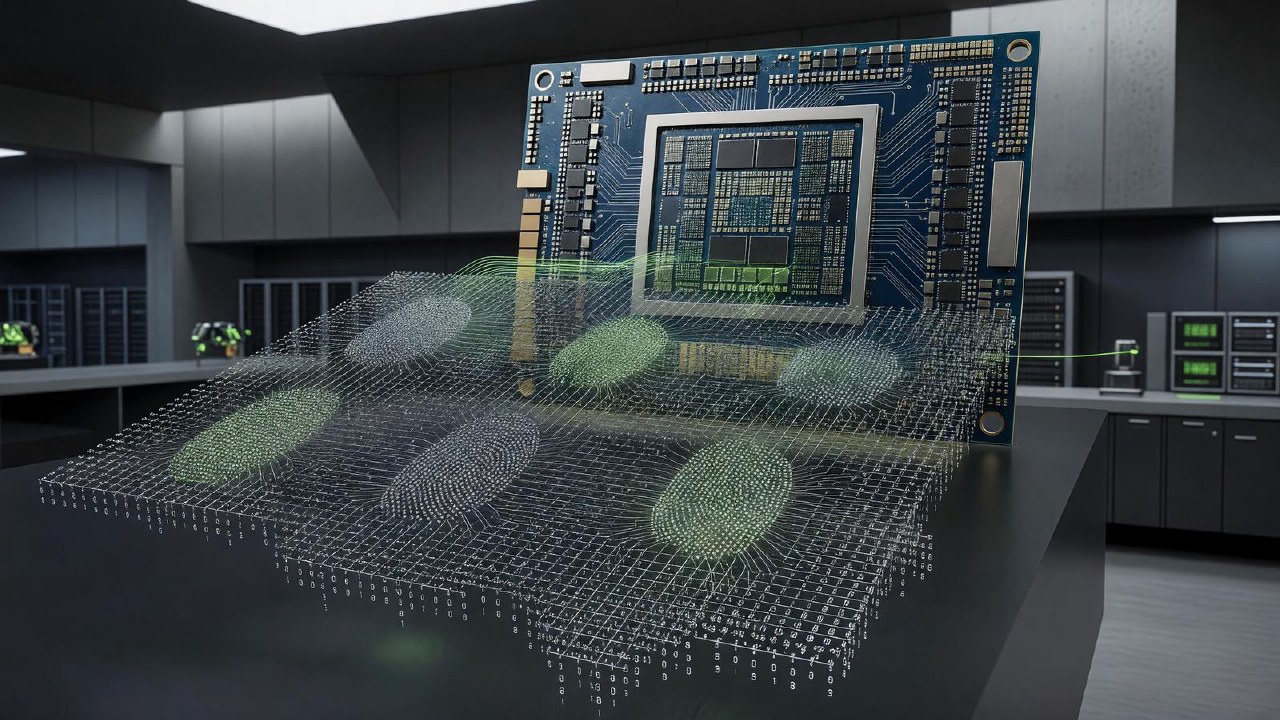
The analysis relies on the initial weight initialization process in PyTorch. Because GPU thread distribution depends on the number of streaming multiprocessors (SM), unique numerical patterns are embedded in the model weights. These patterns persist even after training, allowing researchers to identify the specific hardware architecture used.
Researchers successfully replicated 445 out of 469 weight rows for DeepSeek-V4-Flash using an Nvidia B300 GPU. Similarly, tests on Kimi K3 using a GB200 unit showed a perfect match for all 13 analyzed rows. Previous models from these developers were linked to the older Nvidia Hopper architecture.
Estimates suggest that training the five largest models could have required approximately 12,000 Blackwell GPUs. Specifically, Kimi K3 may have utilized 4,500 units, while DeepSeek-V4-Pro used 3,000. The total value of the hardware for these five training runs is estimated to exceed $500 million.
The methodology cannot confirm if the hardware was used throughout the entire training process or determine the location and ownership of the GPUs. While AMD MI300X chips could theoretically mimic the Blackwell configuration, researchers excluded this possibility for DeepSeek-V4-Flash and consider it unlikely for the others.