

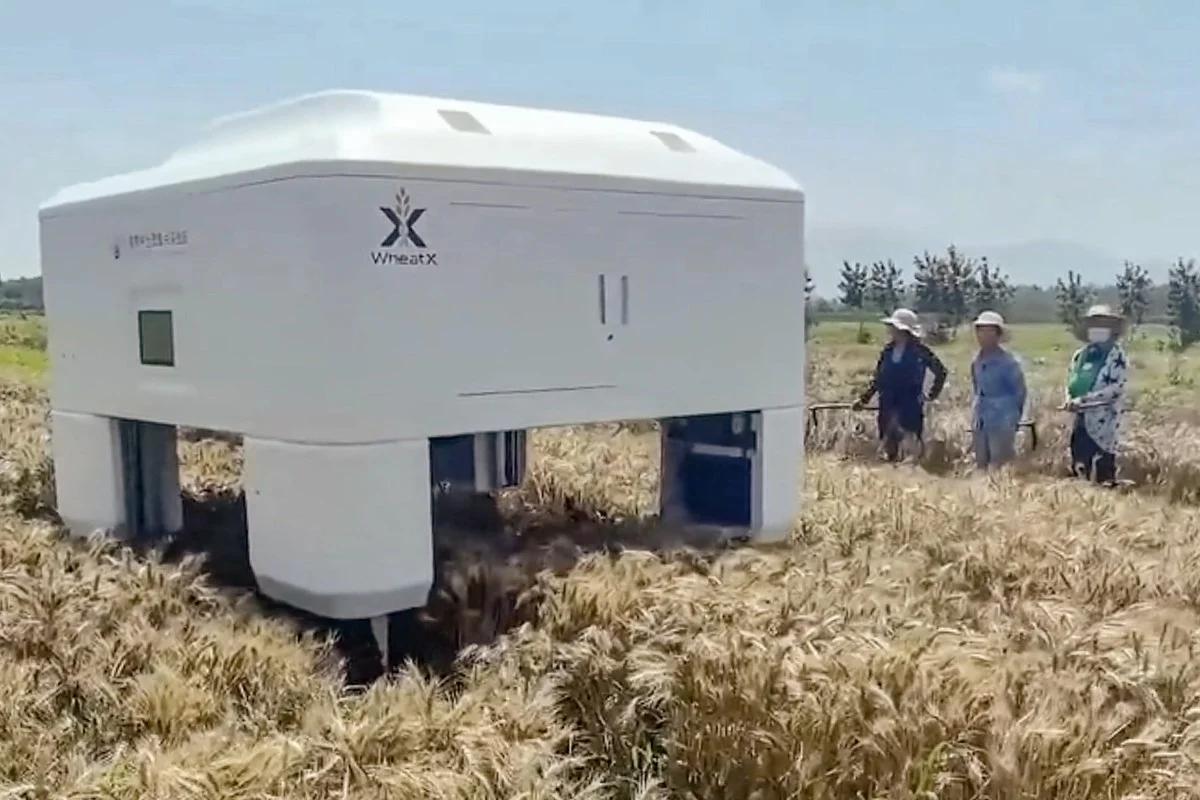
The autonomous robot for wheat selection was unveiled at a seminar reported by China Science Daily. The machine is designed to identify superior wheat plants, mark them with paint, and generate digital passports for each specimen. This project aligns with the Chinese government's strategy to enhance food security through the integration of artificial intelligence into the agricultural sector.
To train the system, researchers planted 2,000 wheat samples in various environments. Experts evaluated photographs of these plants, and their assessments were converted into a machine-readable format to simulate human intuition. The robot, measuring over two meters in height, width, and length, uses eight micro-cameras to analyze plant characteristics, including grain count and ear length.
Wang Hongwei, co-leader of the project at the Shandong Agricultural University, noted that the model integrates extensive breeder experience to make selection decisions. The research team has signed a preliminary agreement with Shandong Jizhi Biotech to develop a commercial version of the robot. This initiative follows a five-year government plan to modernize agriculture through AI-driven technologies.


