

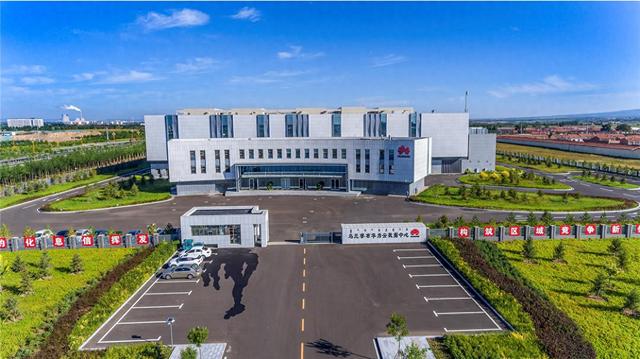
Ulanqab, located in Inner Mongolia, has become a key site for China's initiative to relocate computing power from densely populated eastern cities to the western regions. This shift leverages the area's abundant space and access to low-cost green energy, positioning it as a major growth hub for new data center development.
The national 'East Data, West Computing' project, launched in 2022, aims to redistribute infrastructure across eight designated national computing hubs, including Inner Mongolia, Guizhou, Gansu, and Ningxia. According to BloombergNEF, over half of all new and planned data center projects are now situated in northern and northwestern regions.
Analysts predict that by 2028, these western regions will surpass major metropolitan areas like Beijing and Shanghai to become the primary source of computing power in China. Factors such as lower electricity costs, cooler climates, and greater land availability are driving this migration, even as eastern hubs continue to handle latency-sensitive tasks.
BloombergNEF projects that total electricity demand for data centers in China will increase by 151% by 2030. While the Yangtze River Delta currently leads in competitiveness rankings, its growth remains constrained by higher power costs. Meanwhile, Ulanqab is seeing significant construction activity, with major tech firms already establishing a presence in the region.


