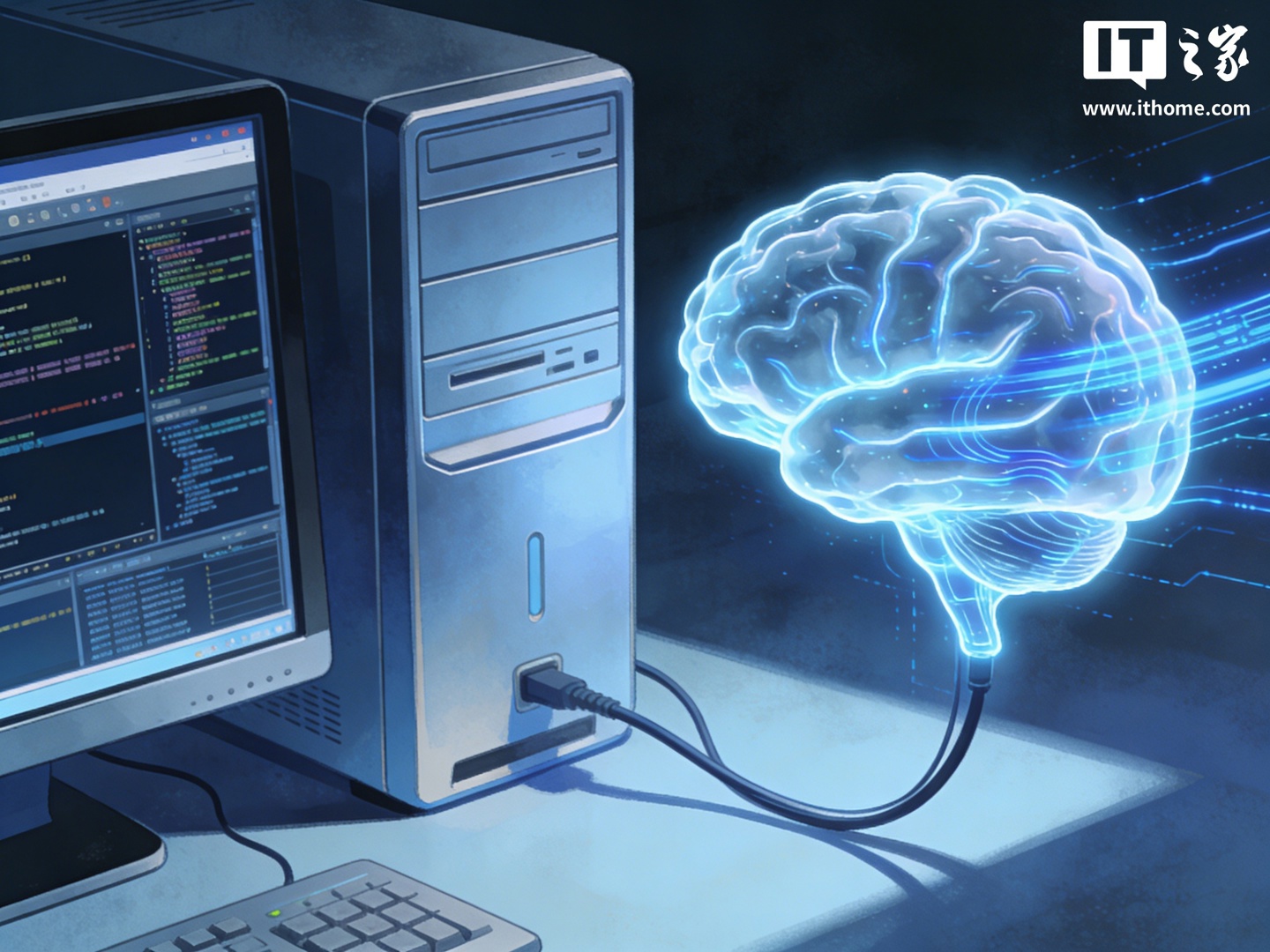
China has led the development of a new international standard for brain-computer interface (BCI) reference architecture, officially published as ISO/IEC 27572:2026. The 18-page document establishes a technical framework covering concepts, applications, functions, and implementation methods for BCI systems.
The standard defines five primary use cases for BCI technology, including monitoring human brain states like attention and fatigue for industrial safety. Other applications include assisting patients with physical impairments in daily tasks, neuro-rehabilitation, cognitive training for healthy individuals, and multi-modal human-computer interaction.
This initiative aims to facilitate industrial standardization, as different manufacturers currently utilize varying data formats and components. The framework is intended to help unify the industry as BCI technology transitions from research breakthroughs to commercial production.
China has now spearheaded three foundational international BCI standards. In addition to the reference architecture, these include ISO/IEC 8663:2025 for terminology, which covers 126 terms across eight categories, and ISO/IEC TR 27599:2025, which documents representative use cases in healthcare and industry.
The standards were developed under ISO/IEC JTC 1/SC 43, a subcommittee established in March 2022. Domestically, China has implemented the corresponding national standard GB/T 47023-2026, which was released in January 2026 and involves major contributors including Huawei, ZTE, and Zhejiang University.