

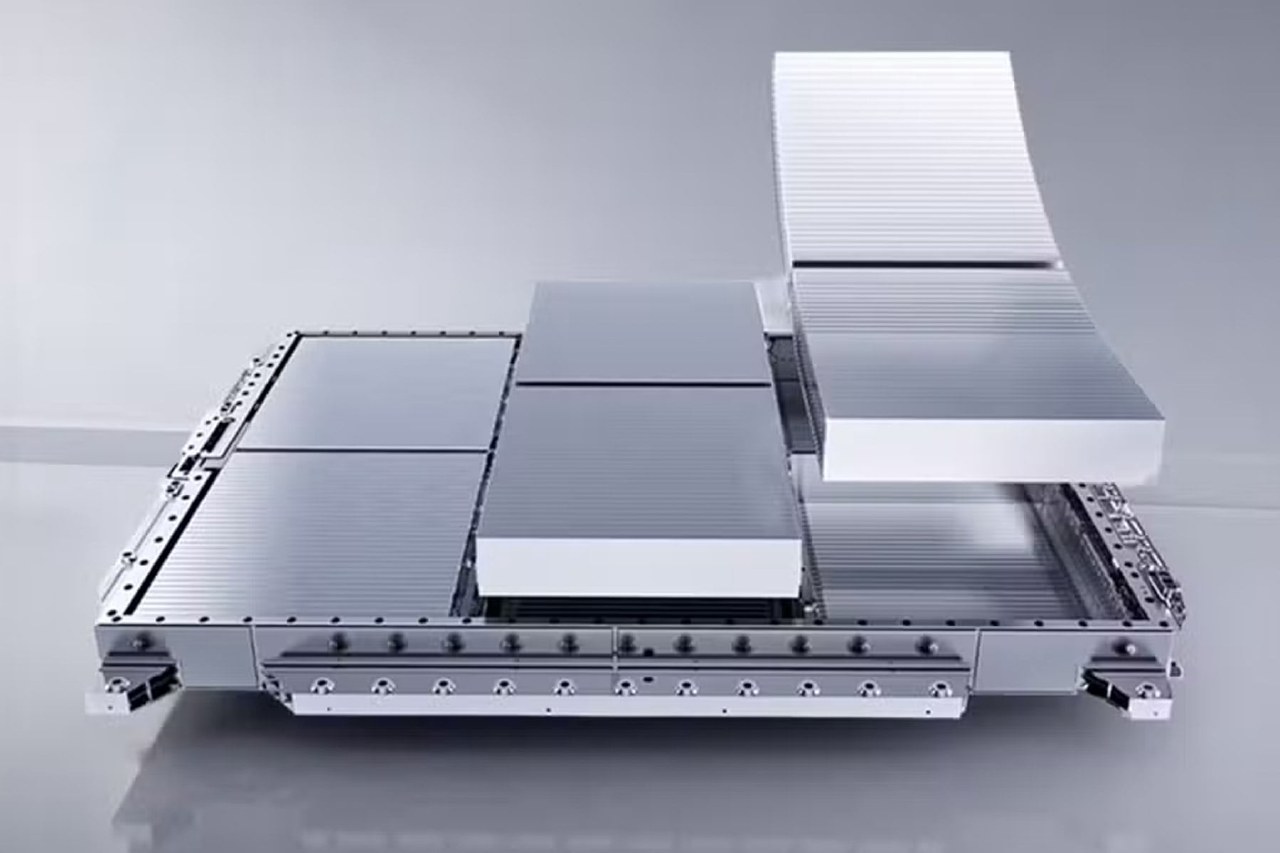
China has begun a phased reduction of tax incentives for the electric vehicle and battery sectors. Since September 1, a two per cent consumption tax applies to lithium-ion batteries, ending an exemption that existed since 2015. This rate is scheduled to double to four per cent by September 2027.
The government is shifting focus toward alternative energy storage. Sodium-ion batteries, solid-state batteries, and fuel cells will retain their tax-exempt status until the end of 2028. Analysts estimate the two per cent tax adds approximately ¥438 or $62 to the cost of a 60-kWh battery pack, with costs rising to ¥876 or $125 at the four per cent rate.
Broader policy changes include a reduction in purchase tax benefits for NEVs, which includes electric cars and plug-in hybrids. Since early 2026, the exemption has been limited to a 50 per cent reduction, capped at ¥15 000 per vehicle. This results in an effective purchase tax rate of five per cent for these models.
Starting January 1, 2027, the country will also abolish specific vehicle and vessel tax benefits for commercial electric vehicles, plug-in hybrids, range extenders, and fuel cell commercial vehicles. Purely electric passenger cars remain unaffected by this specific change. State support continues through investments in charging and battery-swapping infrastructure.