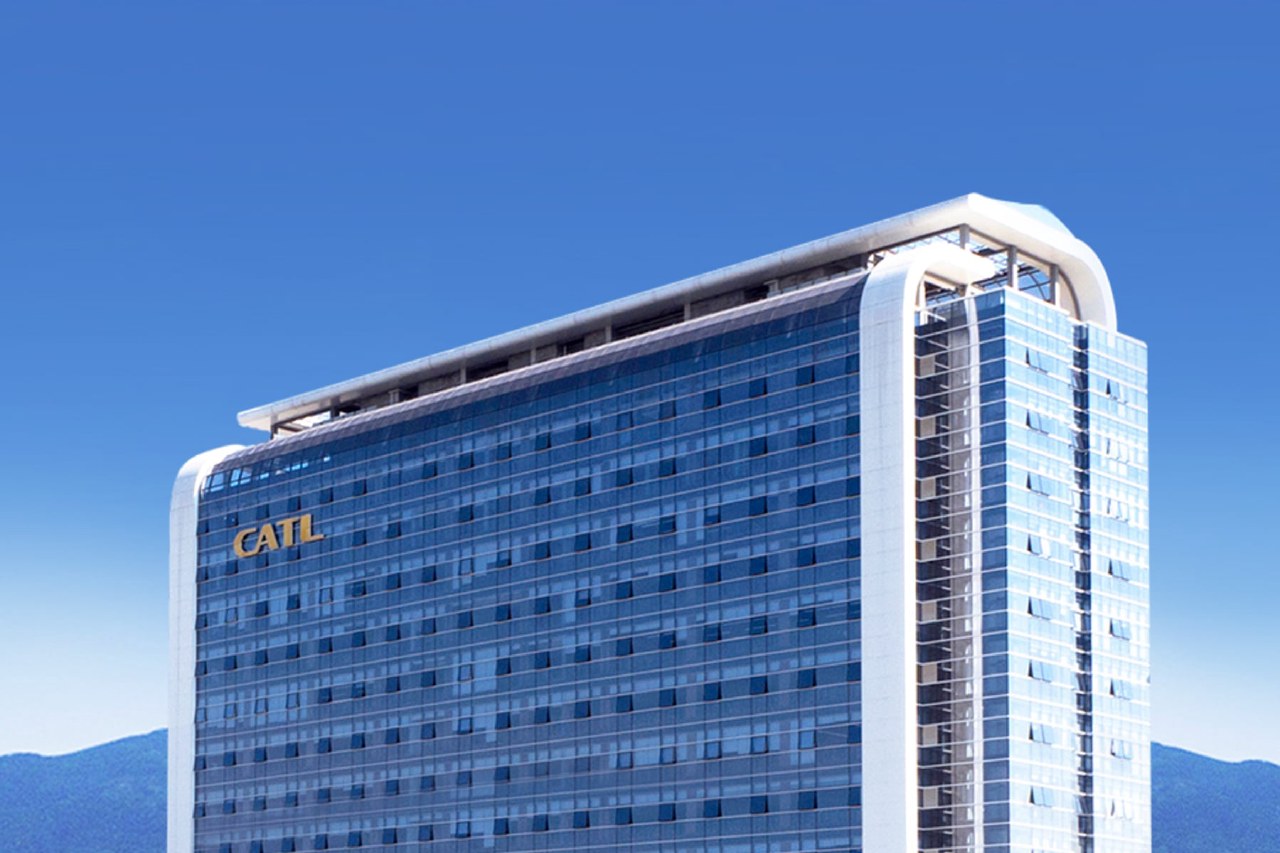
CATL has identified lithium-air batteries as a long-term research project. The company's Chief Scientist, Wu Kai, announced this focus at the Equipment Powerhouse Forum 2026, noting that sodium-ion and solid-state technologies remain closer to commercial viability.
The theoretical specific energy of lithium-air chemistry is approximately 3,505 Wh/kg. However, this figure represents electrochemical potential rather than the energy density of a finished vehicle battery, which requires additional components like housing and air filtration systems.
Laboratory tests highlight the gap between theory and production. In 2024, researchers from Jilin University and the Chinese Academy of Sciences reached 757.5 Wh/kg with 241 cycles. A 2023 study by Argonne National Laboratory and the Illinois Institute of Technology achieved 1,000 cycles with a solid-state cell.
Technical hurdles include the need for a complex air supply system to filter moisture and carbon dioxide, as well as issues with cycle stability and charging efficiency. Consequently, projections of a 2,000 km range for electric vehicles are currently not applicable to real-world applications.
CATL maintains a dominant position in the current market. Data from SNE Research shows that in the first nine months of 2026, the company installed 143.7 GWh of capacity outside China, securing a 33.7 percent market share. Meanwhile, the market share of LFP batteries outside China rose from 15.8 to 27.7 percent.