

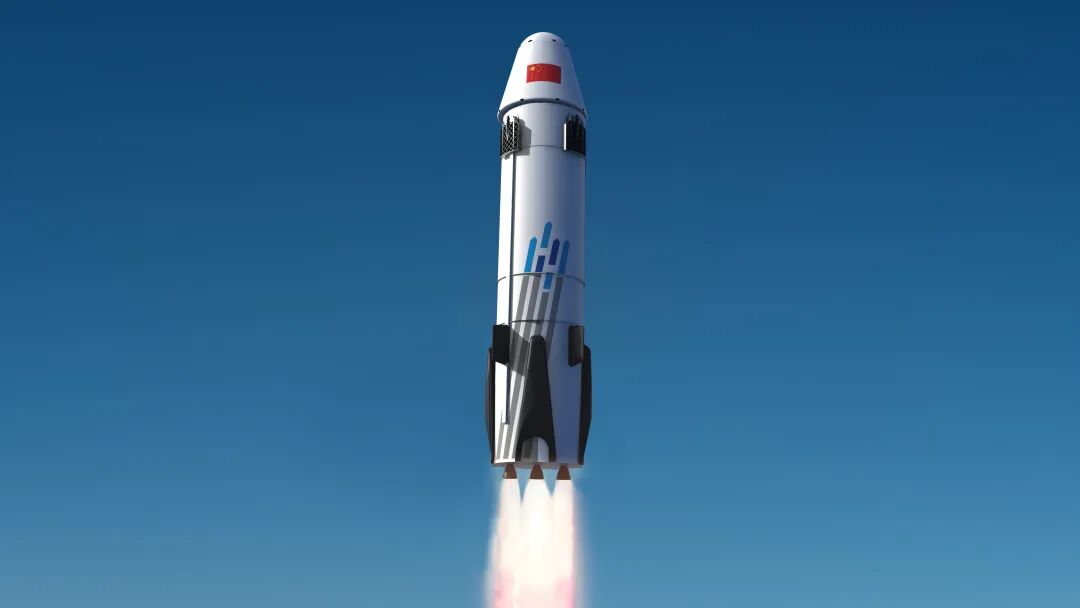
CAS Space has announced a partnership with the Guangzhou Laboratory to develop payloads for space-based pharmaceutical manufacturing. The collaboration aims to conduct suborbital flight verification for pharmaceutical experiments, with the first batch of payloads scheduled to launch on the Lihong-2 reusable vehicle in the first quarter of 2027.
The Guangzhou Laboratory will handle scientific research, including drug crystallization protocols and sample analysis, while CAS Space will provide the aerospace platform, mission organization, and launch services. The partners are focusing on automating experimental operations and observation processes, including the development of miniaturized, low-power cell imagers for in-orbit data acquisition.
To ensure the integrity of pharmaceutical samples, the project incorporates unique identification and full-process monitoring. The system is designed to maintain temperature, prevent contamination, and provide shock absorption during flight and return. Standardized interfaces are being implemented to support rapid equipment replacement and multi-user compatibility for research institutions and pharmaceutical companies.
The Lihong-2 vehicle follows the successful suborbital mission of Lihong-1, which completed a return flight in January. Looking ahead, the Lihong-3 reusable spacecraft is scheduled for its first flight in 2028. It is designed to support at least 300 kilograms of manufacturing payloads, providing a microgravity environment for up to one year to facilitate industrial-scale production.
The partners have established a joint working group to coordinate aerospace engineering and biomedical research. Additionally, they have launched a joint postdoctoral training program to develop interdisciplinary talent capable of working across both the pharmaceutical and aerospace engineering sectors.



